Fine Arts Online Classes: Learn Music, Theatre, and Arts Anywhere
Explore the different types of online programs, learn how to choose the best fit for you or your student, and get our breakdown of the best online fine arts classes.
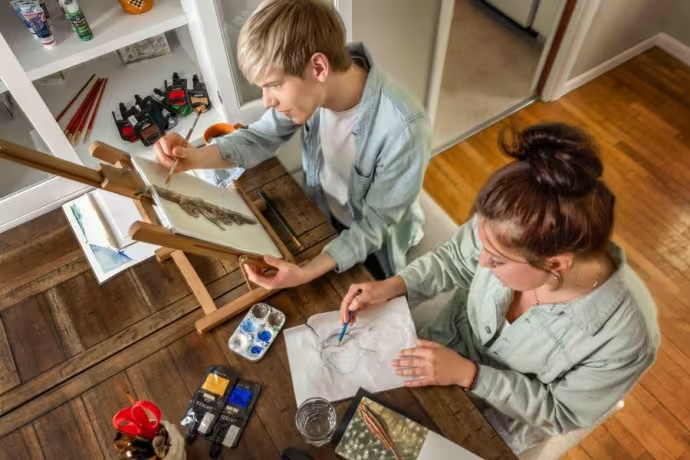
Creative learning no longer depends on where you live or how close you are to a studio, stage, or rehearsal hall. Fine arts online classes make it possible to study music, theatre, visual art, and digital media from anywhere—with expert instruction, flexible schedules, and meaningful feedback.
Whether you or your student are looking to build foundational skills, prepare for auditions or portfolios, or explore a new creative outlet, today’s online arts classes offer far more than prerecorded videos. Many programs now include live instruction, guided projects, and one-on-one mentorship that closely mirrors in-person learning.
This guide walks you through what online fine art classes really are, the different types available, the benefits of learning online, and how to choose the right program for your goals. You’ll also find a breakdown of some of the best online fine art classes and platforms available today—so you can make an informed decision with confidence.
What Are Fine Arts Online Classes?
Fine arts online classes are structured learning experiences that teach creative disciplines through digital platforms. These courses span visual, performing, and digital arts—often combining video instruction, interactive assignments, and instructor feedback.
In the context of online learning, fine arts typically include:
- Visual arts like drawing, painting, photography, and sculpture
- Performing arts such as music, theatre, voice, and dance
- Digital and media arts including animation, graphic design, and film
Unlike casual tutorials, high-quality fine art classes online are designed with clear learning outcomes. Students may attend live classes, submit work for critique, participate in discussions, or complete guided projects that build toward a portfolio or performance goal.
The strongest online fine art classes emphasize process as much as product. Students do more than just watch—they practice, revise, reflect, and grow with support from experienced artists and educators.
Types of Online Fine Arts Classes
Visual Arts
Many students turn to online classes for fine arts to study traditional visual arts disciplines with modern flexibility. Common offerings include:
- Drawing and sketching
- Painting (oil, acrylic, watercolor)
- Photography and digital imaging
- Sculpture and mixed media
In a strong fine arts class online, students learn composition and deepen their artistic thinking while diving deep into specific techniques.
Digital & Media Arts
Digital creativity is especially well suited to online fine art classes. Popular options include:
- Graphic design
- Digital illustration
- Animation
- Film and video production
These online classes for fine arts often focus on real-world tools and workflows, helping students build practical skills while developing their artistic voice.
Performing Arts
It’s a myth that performing arts can’t be taught online. Many fine arts online classes now offer:
- Music lessons (instrumental, vocal, composition)
- Theatre and acting classes
- Playwriting and screenwriting
- Dance technique and choreography
Through live instruction and individualized feedback, a fine arts class online can support serious artistic growth—even at a distance.
Specialized Workshops & Certificate Programs
For students seeking deeper study, some online fine art classes are organized into multi-week intensives or certificate programs. These structured paths are ideal for:
- Portfolio development
- Pre-college or pre-professional preparation
- Focused skill building in a specific discipline
- Certifications and credentials from a reputable institution
Benefits of Taking Fine Arts Online Classes
Access to Expert Instructors—Anywhere
With online classes for fine arts, geography is no longer a barrier to great teaching. Students can learn from professional artists, musicians, actors, and educators who may live across the country or across the world.
Many fine arts online classes are taught by instructors who actively work in their fields and bring real-world experience into the classroom. This exposure helps students understand not just how to create, but what it looks like to pursue the arts seriously—whether as a future career or a lifelong practice.
Individualized Feedback and Personal Growth
The best online fine art classes emphasize feedback, reflection, and revision. Students aren’t just completing assignments; they’re learning how to think like artists.
In a strong fine arts class online, instructors respond directly to student work with critiques that encourage growth, confidence, and artistic independence. Over time, students develop stronger technique, clearer creative voices, and greater self-awareness—skills that transfer far beyond the arts.
Flexibility Without Sacrificing Quality
One of the biggest advantages of fine arts online classes is flexibility. High-quality online fine art classes are thoughtfully designed to balance structure with freedom, allowing students to learn at a pace that works for them while still meeting clear expectations.
Students can log in from home, fit classes around school or work schedules, and revisit recorded lessons when they need reinforcement. For families juggling busy calendars—or students managing multiple commitments—fine art classes online make sustained creative learning possible without burnout.
Preparation for What Comes Next
For many learners, fine arts online classes serve as an important bridge to future opportunities. Students may use these courses to:
- Build portfolios, artistic résumés, or audition materials
- Explore an art form before committing to in-person study
- Strengthen college or conservatory applications
Whether the goal is personal enrichment or professional preparation, online fine art classes provide meaningful, high-quality pathways for artistic growth.
Best Online Fine Art Classes and Platforms
Interlochen Online
Interlochen Online is widely regarded as one of the best online fine art classes options for students of all ages.
What it offers:
- Visual arts, music, theatre, dance, creative writing, film & new media
- Instructor-led courses, certificate programs, and private lessons
- A combination of live and self-guided curriculum
What students can expect: Expert faculty, small class sizes, well-developed learning platform, and a strong focus on the artistic process. Interlochen Online’s classes are designed to challenge students while supporting real creative growth.
Best for: Learners of all ages seeking to hone their artistic gifts and/or earn certificates through an accredited provider with an outstanding reputation.
Skillshare
Skillshare offers short, project-based fine art classes online focused on exploration and creativity. A monthly subscription provides access to all Skillshare classes, including subjects such as graphic design, filmmaking, crafts, music, and more.
Best for: Beginners and hobbyists who want to sample different disciplines through affordable, self-paced online fine art classes.
Coursera
Coursera hosts corporation- and university-affiliated online fine art classes, often taught by college faculty. Colleges and universities offering fine arts classes on Coursera include Berklee College of Music, California Institute of the Arts, Duke University, and Yale University.
Best for: Students seeking academic structure or introductory online classes for fine arts.
Udemy
Udemy provides a wide range of affordable fine arts class options on specific subjects within categories such as visual arts, photography, music, and design. Classes are provided on a monthly subscription basis.
Best for: Self-motivated learners who prefer on-demand content and want to learn specific tools or techniques.
Kadenze
Kadenze specializes in art, music, and design-focused online fine art classes, many of which are provided through top colleges and universities. Some courses include transferable college credit.
Best for: Students interested in contemporary creative practices and earning college credit.
How to Choose the Right Fine Arts Online Classes
With so many fine arts online classes available today, the challenge isn’t finding options—it’s choosing the right one. The best fit depends on your goals, learning style, experience level, and how you plan to use what you learn next.
Below are the most important factors to consider when comparing online fine art classes, whether you’re a beginner exploring creativity or a student preparing for college, conservatory, or professional work.
Start With Your Goal
Before enrolling in any fine arts class online, ask yourself (or your student):
- Are you learning for personal enjoyment or skill-building?
- Are you preparing for auditions, portfolios, or college applications?
- Do you want feedback from an expert, or just guided practice?
Students working toward auditions or portfolios often benefit most from structured online classes for fine arts with instructor feedback. Hobbyists or exploratory learners may prefer shorter, self-paced fine art classes online that allow for flexibility and experimentation.
Being clear about the end goal will immediately narrow your choices.
Match the Class to Your Skill Level
Not all fine arts online classes are created for the same level of experience. Taking a course that’s too advanced can feel overwhelming; taking one that’s too basic can feel limiting.
When reviewing online fine art classes, look for:
- Clear skill-level labels (beginner, intermediate, advanced)
- Prerequisites or suggested experience
- Sample projects or outcomes
The strongest fine arts class online programs clearly state who the course is for and what students will be able to do by the end.
Live Instruction vs. Self-Paced Learning
One of the biggest differences among fine art classes online is format.
Live, instructor-led classes:
- Offer real-time feedback and interaction
- Create accountability through schedules
- Work well for performing arts and portfolio-based study
Self-paced courses:
- Allow flexible scheduling
- Are often more affordable
- Work well for foundational skills or tool-based learning
Many students benefit from combining both: short self-paced online fine art classes for exploration, paired with longer live fine arts online classes for deeper growth.
Look Closely at Instructor Experience
The quality of fine arts online classes often depends on who is teaching them. Look beyond titles and focus on:
- Professional experience in the field (publications, performances, exhibitions, etc.)
- Teaching background, not just artistic success
- Examples of student outcomes
Feedback and Critique Matter
One major advantage of high-quality fine arts online classes is meaningful feedback. Ask:
- Will work be reviewed by an instructor?
- Is feedback written, verbal, or live?
- Are revisions encouraged?
For students building portfolios or preparing auditions, feedback is essential. A fine arts class online that includes critique can dramatically accelerate growth compared to one-way video instruction.
Consider Time Commitment and Pacing
Some online fine art classes meet weekly over several weeks. Others are short intensives or open-ended.
When choosing fine arts online classes, consider:
- Weekly time commitment
- Homework or practice expectations
- Whether deadlines are fixed or flexible
Programs with clear pacing often help students stay engaged and motivated—especially younger learners.
Certificates, Credit, and Credentials
While not all students need credentials, some online classes for fine arts offer:
- Certificates of completion
- Credentials for your artistic or LinkedIn profile
- Option to earn high school or college credit
If credentials matter to you, make sure the fine arts online classes clearly explain what recognition is offered and how it may be used.
Cost and Value
Price varies widely across online fine art classes, from subscription platforms to premium programs with live instruction.
When comparing cost, consider:
- Length of instruction
- Access to instructors
- Depth of feedback
- Class size
A higher-cost fine arts class online may provide more value if it includes live teaching, critique, and structured outcomes.
FAQs About Fine Arts Online Classes
What are the best online fine art classes?
The best online fine art classes depend on your goals. Programs like Interlochen Online offer depth and mentorship, while platforms like Skillshare and Udemy provide accessible entry points.
Are fine arts online classes as effective as in-person classes?
When well designed, fine art classes online can be highly effective—especially when they include live instruction, feedback, and guided practice.
Can I earn college credit from online fine art classes?
Some online classes for fine arts offer certificates or college credit. Always check with the provider and your school for credit eligibility.
How do I choose the right fine arts class online for my skill level?
Look for clear course descriptions and prerequisites. Many online fine art classes are labeled by age range or skill level to help you choose appropriately.
Conclusion and Next Steps
Today’s fine arts online classes provide real, high-quality pathways for creative growth. From flexible scheduling and expert instruction to meaningful feedback and structured learning, online fine art classes now rival many in-person experiences in both depth and impact.
As this guide shows, there is no single “best” option for everyone. The right fine arts class online depends on your goals, your experience level, and how you learn best. Some students thrive in live, instructor-led classes with regular critique and accountability. Others benefit from self-paced classes that allow space to explore new skills and interests.
The most important step is to start with clarity. Define what you or your student want to gain—whether that’s building a portfolio, preparing for auditions, strengthening fundamental skills, or simply reconnecting with creativity. From there, look for fine arts online classes that offer the right balance of structure and support.
With so many strong platforms available today, learning the arts no longer depends on location or access. The tools, teachers, and opportunities are already within reach. The next step is choosing the online fine art classes that will help turn curiosity into measurable progress—and progress into lasting creative confidence.
How does Interlochen Online work? Start a free course demo.
✔ | Expert Faculty Receive direct, personalized feedback from a professional artist. |
✔ | Real Growth Develop artistic skills that are important to you in 30 days. |
✔ | Collaborate Connect with peers and instructors on your projects—or just for fun. |