How to choose the right music summer camp: Checklist for parents & students
Discover how to choose the right music summer camp with this step-by-step checklist covering curriculum, faculty, facilities, and more.
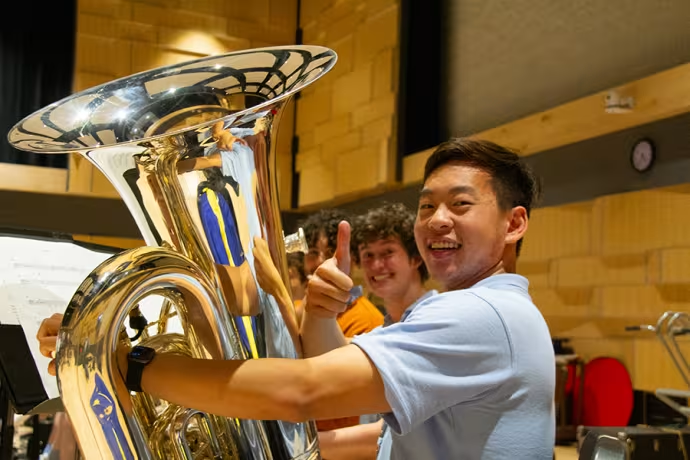
Interlochen Arts Camp students smile for the camera during a pause in rehearsal.
For aspiring musicians, the summer music camp experience can be transformative—offering intensive training, lifelong friendships, and significant artistic growth.
But not all camps are created equal. With hundreds of programs available nationwide, finding the perfect fit for your young musician can be difficult.
Wondering how to choose the right music summer camp? This checklist will help you evaluate your options and make the best choice. Below, we walk you through the essential criteria you need to consider to ensure your student’s camp experience aligns with their goals, skill level, and personal needs.
Essential checklist for choosing your music summer camp
1. Define your child's musical goals
Before exploring options, clarify what your young musician hopes to achieve. Are they seeking serious musical growth through intensive study, or do they want a balanced experience that combines music with social activities? Some students thrive in highly competitive environments that push technical skills, while others benefit from supportive settings that nurture expression and confidence. Understanding these goals will guide every other decision on this checklist.
Interlochen Arts Camp offers a wide range of music programs, allowing you to find the right fit for your student within the world-renowned Interlochen community. The Camp is divided into three age divisions—junior, intermediate, and high school—each of which offers programs of various lengths and levels of focus. No matter which program you choose, your student will enjoy opportunities to socialize with peers and explore the Camp’s scenic 1,200-acre campus.
2. Evaluate the musical focus and specialization
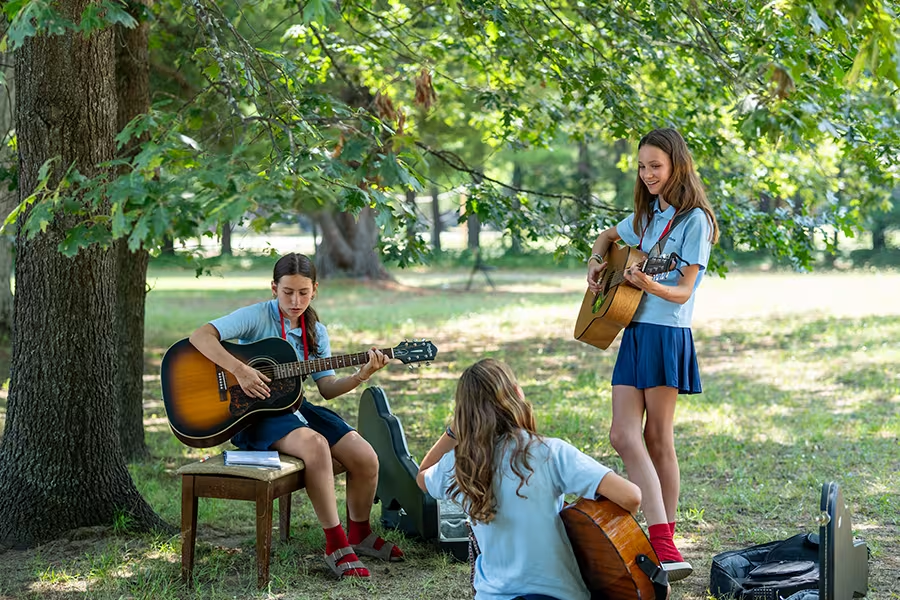
Interlochen Arts Camp singer-songwriter students collaborate to write original songs.
Different camps excel in different areas. Some programs specialize in classical training, while others focus on jazz, contemporary, or specific instruments. Research whether the camp offers your child's primary instrument and if they provide classes and ensemble opportunities that match their interests. A music camp for serious students should offer advanced repertoire and challenging musical experiences appropriate to their level.
Originally founded as an orchestra camp, Interlochen has offerings in nearly every facet of music—from composition and classical voice to singer-songwriter and music production & engineering. Students engage in a comprehensive curriculum that includes rehearsals, private lessons, performances, and classes in topics such as music theory, Dalcroze Eurythmics, and the Alexander Technique.
3. Investigate faculty quality and credentials
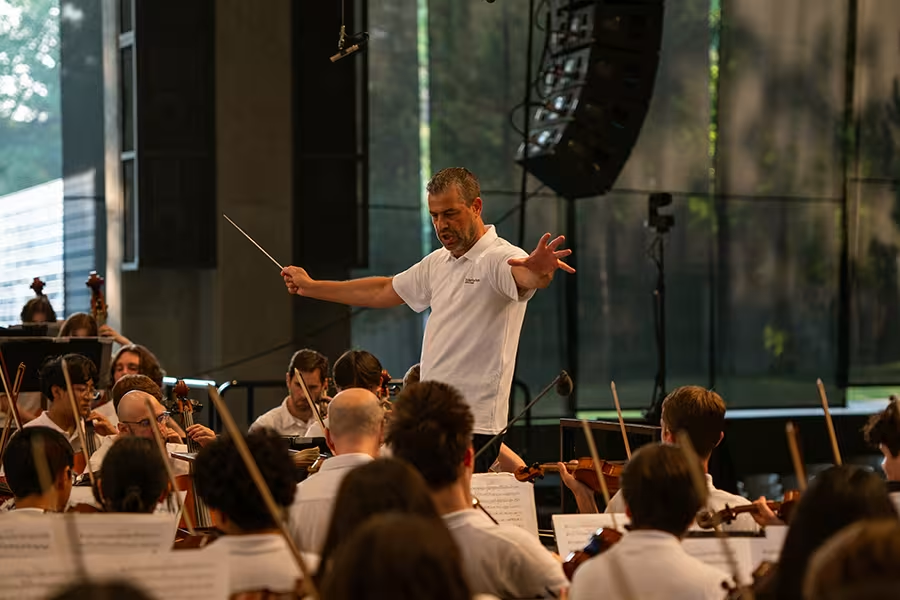
Detroit Symphony Orchestra Music Director Jader Bignamini conducts a side-by-side performance featuring the World Youth Symphony Orchestra and members of the DSO.
Outstanding instruction makes the difference between a good camp and an exceptional one. Research the teaching staff's backgrounds, looking for seasoned musicians, conservatory graduates, and experienced educators. Faculty at the best summer music camps often include members of professional orchestras, university professors, and accomplished soloists who bring real-world expertise to their teaching.
At Interlochen, students study with an acclaimed faculty of professional musicians and renowned music educators. These world-class instructors are complemented by a robust selection of guest artists—including conductors and soloists. The Detroit Symphony Orchestra holds an annual residency on campus, and the newly established Shirley Young Distinguished Artist Series brings today’s most celebrated performers to campus to perform alongside students.
4. Assess performance opportunities
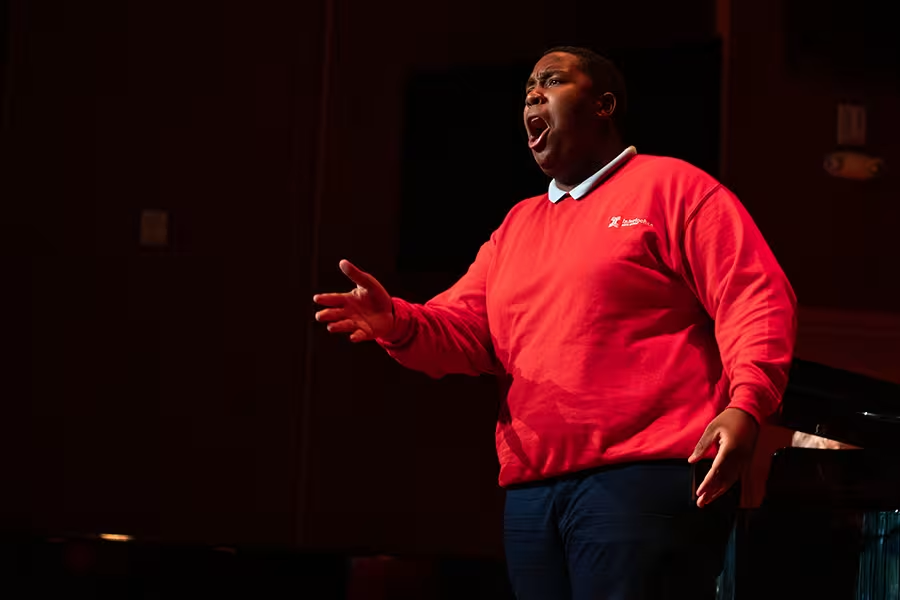
An Interlochen Arts Camp voice student performs in a recital.
Music comes alive through performance. Quality camps like Interlochen provide multiple outlets for students to showcase their progress, from intimate master classes to formal concerts. Look for programs that offer solo recitals, chamber music performances, and large ensemble concerts. These diverse experiences build confidence and enable students to develop as well-rounded performers.
5. Review the daily schedule structure
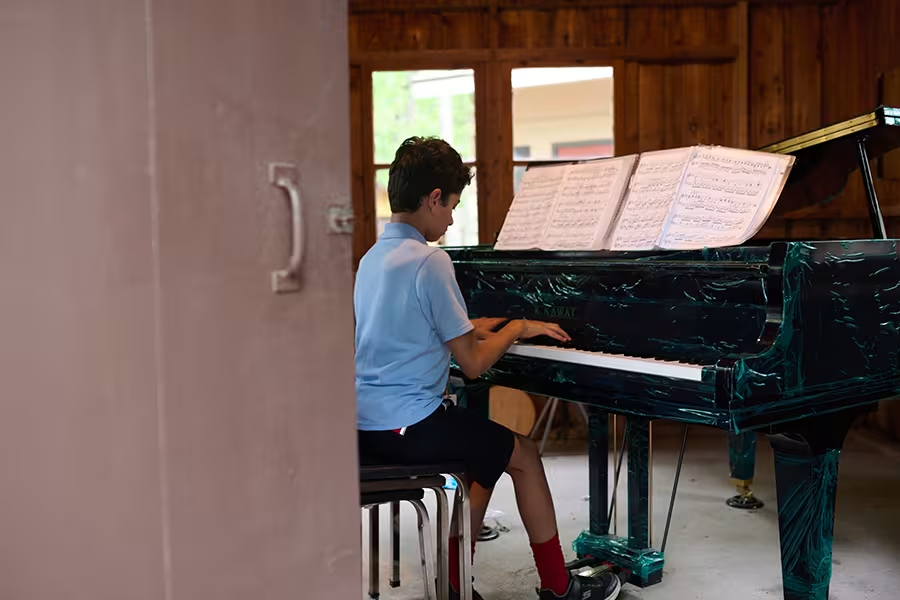
An intermediate piano student practices in one of Interlochen Arts Camp’s many practice cabins.
A well-designed schedule balances intensive instruction with adequate practice time and reasonable breaks. Examine how the camp structures private lessons, master classes, ensemble rehearsals, and individual practice time. The best programs also include recreational activities and social time to foster friendships among young musicians.
Interlochen’s action-packed daily schedule includes ample time for rehearsal, rest, and recreation. The day begins with line-up at 7 a.m. and concludes with lights out at 10 p.m. In between, students attend classes and rehearsals, present performances, participate in recreation activities, share meals with friends, and more. Junior students have supervised practice time and a daily rest hour to ensure they maintain a proper balance of focus and fun.
6. Inspect facilities and equipment quality
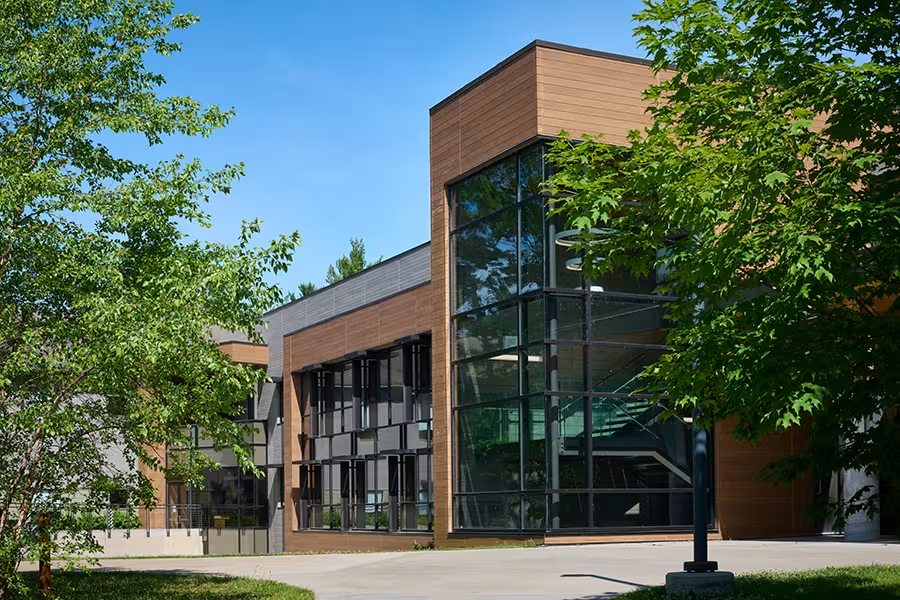
The Music Center at Interlochen Arts Camp.
Superior facilities enhance the learning experience significantly. Visit or research the camp's practice rooms, performance spaces, and available instruments. Modern facilities with quality pianos, proper acoustics, and well-maintained instruments create an environment where students can focus entirely on their musical development without technical distractions.
Interlochen music students learn in a variety of venues—from historic amphitheaters to state-of-the-art spaces. The crown jewel of our music facilities is the Music Center, a 60,000 square foot, climate-controlled structure that includes rehearsal halls, small ensemble rooms, a percussion suite, a recording studio, and more. Students also soak up the beauty of summer in northern Michigan at open-air facilities such as Kresge Auditorium and the Interlochen Bowl—home of our annual end-of-summer performance, “Les Préludes.”
7. Understand student life and supervision
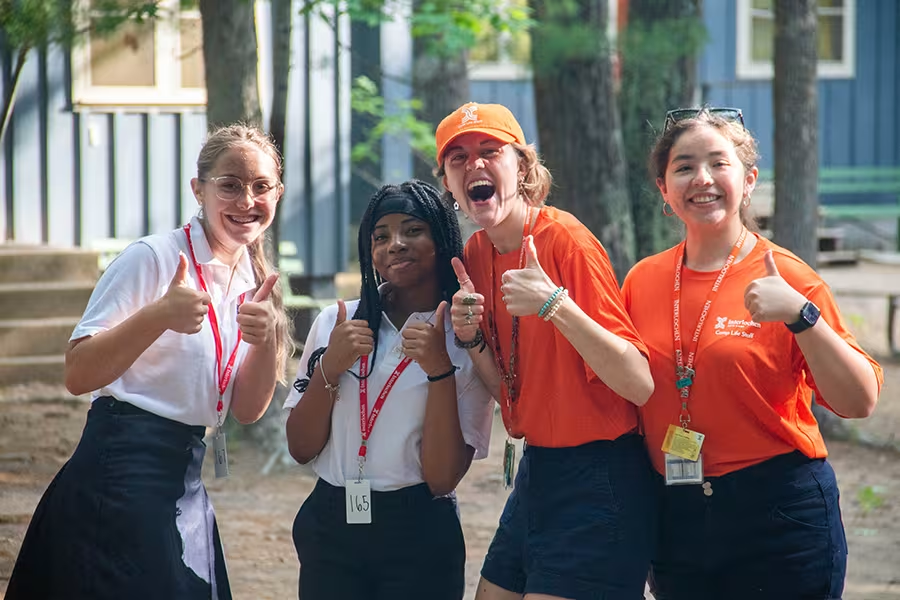
Two Interlochen Arts Camp students pose with their counselors.
At the best camps, the residential experience enhances musical instruction. Student housing ranges from modern dormitories to classic summer camp-style cabins; be sure to consider which type of living arrangements your student would prefer as you’re making your choice.
It’s also important to investigate meal programs—especially if your student has food allergies or follows a vegetarian, vegan, or gluten-free diet. Learn more about the types of menu options available and the precautions taken to avoid accidental exposure to allergens.
Lastly, consider supervision. Quality camps maintain appropriate staff-to-student ratios and create supportive environments where young artists feel safe to take creative risks, collaborate outside the ensemble room, and form lasting friendships with fellow musicians.
8. Explore college and career preparation resources

An Interlochen Arts Camp student fills out an interest card at the annual college fair.
Many serious music students attend summer camps as part of their pre-professional training. Look for programs offering college audition preparation, portfolio development workshops, on-campus college fairs, and exposure to music industry professionals. These resources can provide invaluable guidance for students considering musical careers or conservatory applications.
Even if your chosen camp does not include college-focused material, attending a summer music program can still boost your chances of getting into a top music school. Many of the nation’s best music camps hire college faculty as instructors—giving you a chance to meet, work with, and demonstrate your skills to your potential future professors. Admission representatives tend to view summer program participation favorably, as it demonstrates a strong work ethic, a dedication to your craft, a readiness for conservatory study, and a willingness to go beyond your high school requirements and explore new places.
9. Research reputation and alumni outcomes
A camp's track record speaks volumes about its quality. Research where former participants have gone to college, what careers they've pursued, and how they describe their camp experience. Top-tier camps offer world-class instruction, performance opportunities, and a supportive, immersive environment that consistently propel students to careers in the music industry.
Interlochen Arts Camp’s alumni have gone on to distinguished careers in both music and other fields. More than 13% of musicians in the nation’s top orchestras have attended an Interlochen program. Interlochen alumni have also won 150-plus Grammy Awards, performed at prestigious venues across the world, headlined major music festivals, and earned coveted prizes such as the Avery Fisher Career Grant. Others have found success in medicine, law, politics, technology, and countless other industries.
10. Consider affordability and financial aid options
Quality music education is a significant investment. Research the total costs, including tuition, room and board, and additional fees.
But don’t be discouraged by a high price tag: Many excellent programs offer scholarships and financial aid to ensure talented students can participate regardless of economic circumstances. In 2025, Interlochen Arts Camp awarded $5.1 million in financial aid—and 85% of students who applied for assistance received financial aid.
Once you’ve explored financial aid options, weigh the final cost of attendance against the value each program provides to determine which program represents the highest return on your investment.
Making your final decision
After working through this checklist, you'll have the information needed to find the right camp for young musicians in your family. Remember that the perfect program balances challenging musical instruction with personal growth opportunities in a supportive environment.
The right music summer camp becomes more than just a learning experience—it transforms into a community where young artists discover their potential, forge lifelong friendships, and develop the skills and confidence needed for their musical journey ahead.
Dive deeper into Interlochen Arts Camp with a free digital viewbook