The Best High Schools for Dance: A Parent's Guide
From top-notch faculty to frequent performance opportunities, find out what makes a great high school for dance—and explore a list of some of the top programs nationwide.
Choosing the right high school for your student is one of the most important decisions you'll make as a parent. When your teenager shows exceptional talent and passion for dance, this decision becomes even more complex. Finding a school that nurtures artistic growth while providing solid academic preparation can feel overwhelming, but it's absolutely crucial for setting your student up for success.
The best high schools for dance do more than just teach technique. They create environments where young artists can explore their creativity, develop discipline, and build confidence that will serve them throughout their lives. Whether your student dreams of joining a professional company, teaching dance, or pursuing higher education with a dance emphasis, the right high school program can provide the foundation they need.
The teenage years are a critical time for dance development. Students need rigorous training, exposure to different styles, and opportunities to perform. They also need teachers who understand how to guide young artists through both physical and emotional growth. Most importantly, they need a school that recognizes dance as both an art form and an academic pursuit, ensuring they graduate prepared for whatever path they choose after high school.
What Makes a Great High School for Dance?
When evaluating high schools for dance, several key factors separate exceptional programs from ordinary ones. Understanding these elements will help you make an informed choice that aligns with your student's needs and goals.
Expert Faculty and Teaching Quality
The foundation of any outstanding dance program lies in its teachers. Look for schools with faculty who have professional performance experience, advanced degrees in dance or related fields, and a track record of developing successful students. Great dance teachers understand adolescent development and can adapt their instruction to meet each student's physical and emotional needs. They should also stay current with evolving dance techniques and teaching methods.
Comprehensive Curriculum and Training
A well-rounded dance program offers training in multiple styles, including classical ballet, modern dance, jazz, and contemporary techniques. Students need exposure to different approaches to movement and artistry. The best programs also include related subjects like dance history, anatomy, music theory, and choreography. This comprehensive approach helps students understand dance as both an artistic and academic discipline.
Performance Opportunities
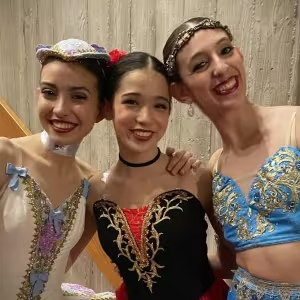
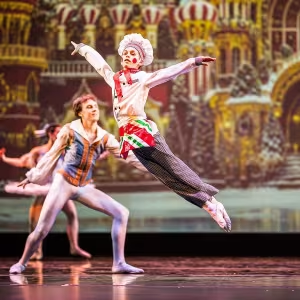
Regular performance experience is essential for developing young dancers. The best high schools for dance present multiple concerts each year, participate in festivals and competitions, and provide students with diverse performance opportunities. These experiences build confidence, teach students how to work with costumes and lighting, and help them understand the collaborative nature of professional dance.
Facilities and Resources
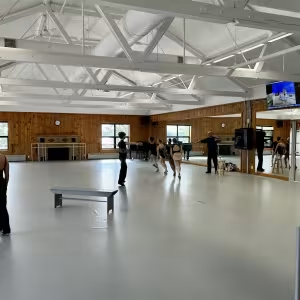
Quality dance training requires proper facilities. Studios should have appropriate flooring, mirrors, and sound systems. Schools should also provide students with access to physical therapy resources, as dance training can be demanding on young bodies. Additionally, look for programs that bring in guest artists and offer master classes to expose students to different perspectives and techniques.
Academic Integration and College Preparation
While dance training is crucial, your student's academic education remains equally important. The best dance high schools maintain high academic standards and help students develop the critical thinking and communication skills they'll need in college and beyond. They should also provide college counseling that understands the unique needs of dance students applying to both conservatory programs and traditional universities.
The Best High Schools for Dance
Here are some of the nation's most respected high school programs for aspiring dancers, each offering unique strengths and opportunities.
Interlochen Arts Academy – Michigan
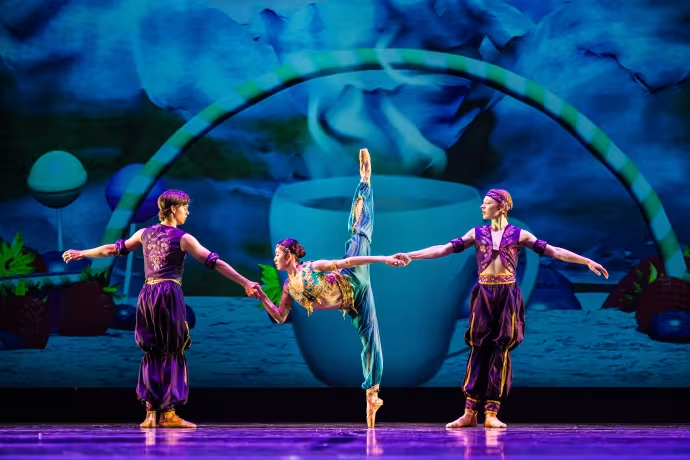
Interlochen Arts Academy stands as one of America's premier arts boarding schools, with a dance program that consistently produces graduates who excel in top college programs and professional companies. Located on a beautiful 1,200-acre campus in northern Michigan, Interlochen provides an immersive artistic environment where dance students train alongside musicians, theatre artists, filmmakers and animators, creative writers, visual artists, and interdisciplinary artists.
The dance program offers comprehensive training focused on classical ballet technique while offering complementary courses in contemporary, jazz, and even commercial dance. Students work with faculty who are accomplished performers and educators, many with ties to prestigious companies around the world. The curriculum emphasizes both technical excellence and artistic expression, preparing students for the demands of professional training.
"At Interlochen, we take great pride in offering college-preparatory academics to dance students," says Joseph Morrissey, Director of Dance. "There is no need for students to compromise between academics and the arts. They can excel at both, which is outstanding preparation for the best colleges, conservatories, and companies."
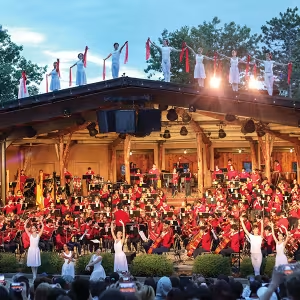
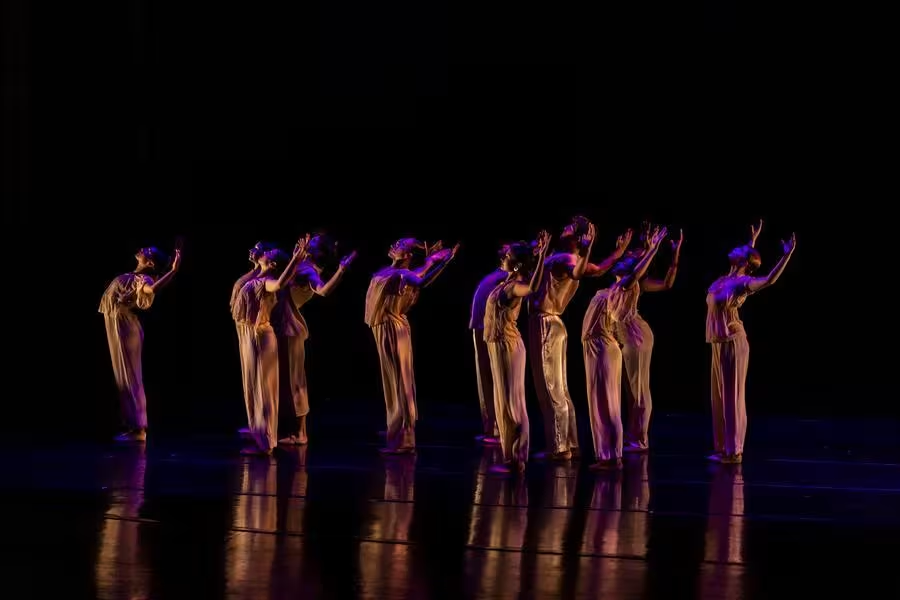
What sets the Interlochen Dance Division apart is its emphasis on technical and artistic excellence demonstrated through several professional quality performance opportunities each year. Students at Interlochen typically perform in five major dance performances annually, plus numerous informal showings and collaborative projects with other arts divisions.
“Students draw inspiration from all kinds of artistry while enjoying unique cooperative opportunities found throughout Interlochen’s seven allied artistic disciplines,” says Morrissey.
The program also brings in internationally renowned guest artists for residencies, master classes and auditions exposing students to a variety of artistic careers and perspectives.
Fiorello H. LaGuardia High School of Music & Art and Performing Arts – New York
LaGuardia High School follows a rigorous conservatory approach with an 80-minute ballet class and an 80-minute modern class each school day. Located in Manhattan's Lincoln Center area since 1984, this public specialized high school has produced numerous Broadway performers, professional dancers, and choreographers.
Students at LaGuardia take a full academic course load while participating in conservatory-style arts concentrations. The dance program emphasizes strong technical pre-professional training while also developing students' creativity and performance skills. The school's location in the heart of New York's performing arts district provides students with unique opportunities to attend professional performances and connect with industry professionals.
LaGuardia's alumni network includes many successful dancers and choreographers, and the school maintains strong relationships with New York's professional dance community.
University of North Carolina School of the Arts High School – North Carolina
At UNCSA's high school program, young artists enjoy conservatory arts training combined with strong academics. The residential program serves students in grades 9-12 and is part of a larger institution that includes college and graduate programs, with free tuition for in-state residents.
Dance students at UNCSA choose between ballet or contemporary concentrations and train with the same faculty who teach college students. The program includes classes in ballet and contemporary technique, pointe, ballet partnering, dance composition, improvisation, and the command and development of character.
Students perform with the UNCSA Dance Ensemble throughout the year and have opportunities to work with guest choreographers and artists. The program's connection to the college division means high school students often interact with older students, creating a mentorship environment that prepares them for the next level of training.
The HARID Conservatory – Florida
Located in Boca Raton, Florida, HARID provides professional training for high school dancers selected through audition, offering comprehensive ballet training and an academic education within a supervised boarding-school environment. This small, specialized school focuses exclusively on classical ballet training for high school-age students and offers tuition-free education.
The four-year curriculum includes ballet and related dance courses including pointe, variations, partnering, and men's work, plus character and modern dance. Academic coursework is provided on campus through Florida Virtual School.
HARID's students come from across the United States and internationally, creating a diverse community of dancers. Each year, HARID presents two series of dance performances, including classical and neoclassical ballets. Graduates frequently join major ballet companies or receive scholarships to top college dance programs.
Butler Tech School of the Arts – Ohio
Butler Tech School of the Arts is a public career-technical high school located in Fairfield Township, Ohio. The school's Dance pathway offers a unique approach that combines rigorous artistic training with career preparation.
Students receive training in a variety of styles including hip hop, contemporary, ballet, jazz, and more from experienced instructors who bring real-world expertise into the classroom. The program prepares students for student-led performances, auditions, and interviews, providing practical experience that bridges the gap between high school training and professional opportunities.
What makes Butler Tech distinctive is its dual focus on creativity and career readiness. Students graduate from high school ready to pursue dance professionally, while also being well-prepared for college. Three out of four School of the Arts graduates continue their education at a two- or four-year college. The school creates a supportive artistic community where students can develop both their technical skills and their understanding of dance as a viable career option.
How to Choose the Right School
Selecting the best high school for your dancing student requires careful consideration of multiple factors beyond just the quality of dance training. Start by honestly assessing your student's goals and commitment level. Are they hoping for a professional career, planning to study dance in college, or seeking a well-rounded education that includes dance? Different programs serve different purposes, and matching your student's goals to the right program is essential.
Consider the academic component carefully. If your student plans to attend college, they need strong academic preparation alongside their dance training. Some schools only offer online academics, while others host in-person classes. Look for schools that maintain high academic standards and offer college counseling services.
Think about your student's personality and learning style. Some students thrive in highly competitive environments, while others do better with more supportive, nurturing approaches. Visit schools when possible, observe classes, and talk to current students and families. Pay attention to the school culture and whether it aligns with your student's needs.
Financial considerations are also important. Private arts schools and boarding programs can be expensive, but many offer financial aid. Public programs like LaGuardia provide excellent training at no cost but may have limited availability for out-of-state students. Factor in not just tuition but also living expenses, travel costs, and additional fees for costumes and competitions.
Finally, consider the practical aspects of timing and location. Some programs require students to relocate, which can be challenging for families. Others offer summer intensives that provide valuable experience without the commitment of changing schools. Think about what works best for your family's circumstances while still prioritizing your student's artistic development.
Conclusion
Choosing the right high school for your dancing student is an investment in their future, whether they pursue dance professionally or carry the discipline, creativity, and confidence they gain into other careers. The schools highlighted in this guide represent some of the best opportunities available, each with unique strengths and approaches to dance education.
Remember that the "best" school is the one that best fits your student's individual needs, goals, and learning style. Take time to research thoroughly, visit when possible, and involve your student in the decision-making process. Their enthusiasm and commitment are crucial to success in any program.
The world of dance offers incredible opportunities for young people who are willing to work hard and dedicate themselves to their craft. With the right high school foundation, your student can develop not only as a dancer but as an artist, scholar, and person. Whether they go on to dance professionally, teach, or simply carry the joy of movement throughout their lives, the training and experiences they gain in high school will serve them well.
Don't hesitate to reach out to schools directly with questions. Most programs are happy to connect you with current families and provide additional information about their approach to dance education. Your student's dance journey is unique, and finding the right high school program is an important step in helping them achieve their dreams.
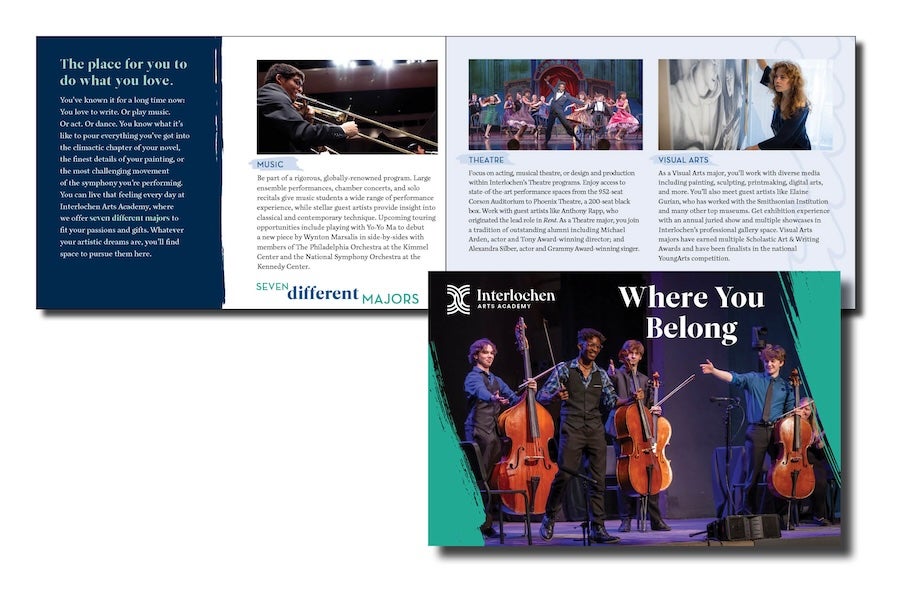
Dive deeper into Interlochen Arts Academy with a free digital viewbook
More Like This