The Best Creative Writing High Schools: What to Look For
One school has an entire northwoods lodge dedicated to creative writing. Another allows you to explore a wide variety of genres. Find the perfect creative writing high school for you with our top tips.
When you start looking at schools for creative writing, it’s easy to get overwhelmed by all of the options. On paper, many programs look similar. They offer workshops, classes, lectures from guest authors, and public readings. But when you look closer, the difference between good schools for creative writing and truly exceptional ones comes down to a few key elements—an outstanding writing environment, opportunities to share your work in public, and the ability to explore a variety of genres.
For young creative writers, the right high school program shapes how they see themselves as artists. It gives them the space to think deeply, the courage to share their work, and the flexibility to explore different forms of expression. Here’s what separates the top schools for creative writing from the rest—and what you should be looking for.
Look for Dedicated Writing Facilities
The physical space where young writers work can significantly impact their creative process. Dedicated writing facilities offer students a sanctuary where they can focus entirely on developing their craft.
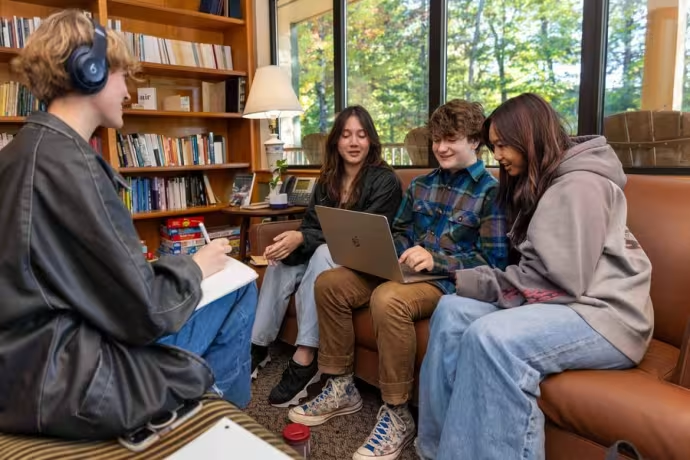
The gold standard in this category is Interlochen Arts Academy's The Writing House. Completed in 2002, The Writing House stands as the only building in the United States dedicated specifically to the craft of writing at the pre-college level. Designed in the style of a northwoods lodge, this remarkable facility features rustic flagstone fireplaces and soaring wood beams that create an atmosphere of both inspiration and contemplation.
Creative writing students at Interlochen can often be found in every corner of the building—discussing poetry by the fire or hard at work in quiet, cozy nooks. The central Great Room is equipped with a lighting and sound system for readings by students, faculty, and guests. Other amenities include classrooms, conference rooms, community-use printers, and a full kitchen stocked with plenty of coffee, tea, and hot cocoa.
Beyond just the physical space, Interlochen offers a full creative writing major with master classes and workshop critiques. This combination of dedicated space and comprehensive curriculum creates an immersive environment where young writers can truly develop their voices. The school also hosts an annual writing competition, the Virginia B. Ball Creative Writing Scholarship Competition, which awards a full-tuition scholarship to Arts Academy for one talented applicant.
Having a dedicated space matters because it communicates the value placed on writing as an art form. The best schools for creative writing provide students with the right balance of community and solitude, allowing them to surround themselves with beauty, remove distractions, enjoy reliable technology resources, and spend quality time with fellow writers to exchange ideas and feedback.
Look for Public Reading Opportunities
Writing may begin in solitude, but it doesn’t stay there. At some point, every writer has to share their work with the world, whether through publication or the spoken word.
That’s why public reading opportunities are so important. They give students a structured, supportive way to step into that vulnerability and build confidence over time. Programs that incorporate regular public readings help students overcome performance anxiety while allowing them to get a feel for how their words impact an audience.
The South Carolina Governor's School for the Arts and Humanities makes this a priority in their curriculum. Creative writing students give two formal public readings each year. They also have the opportunity to read their works during community open-mic nights at the nearby M. Judson Booksellers. During their two years in the Creative Writing program, students spend time in small, collaborative sessions where they are constantly reading, writing, editing, and critiquing works under the guidance of practicing writers/mentors.
Public sharing opportunities are invaluable because they help young writers develop confidence in their work, learn to receive feedback constructively, and understand how their writing affects actual readers. If you’re looking for a high school for creative writing, make sure your top choices offer these invaluable opportunities.
Look for Multi-Genre Exploration
Another key difference between average programs and the top schools for creative writing is how they approach specialization. The best programs encourage students to explore multiple writing genres rather than specializing too early. This approach develops versatility and adaptability—crucial qualities for writers in today's diverse publishing landscape.
The Mississippi School of the Arts exemplifies this approach with its literary arts program. This residential program for 11th and 12th graders offers courses across multiple genres including poetry, intermediate and advanced fiction, and playwriting. A student who starts out passionate about poetry, for example, might discover a talent for dialogue. A fiction writer might find a whole new voice after trying their hand at playwriting. By exploring different forms, students build a wider creative toolkit—and a deeper understanding of storytelling itself. In today’s world, where writers often move between mediums, that adaptability is a huge advantage.
This multi-genre approach provides students with flexibility and broader knowledge, allowing them to discover their strengths while developing competency across different forms of writing. By exploring various genres, students can make more informed decisions about their future educational and career paths.
More Factors to Consider
Once you’ve narrowed down your list of schools for creative writing, it helps to look beyond the features covered in this article and dig even deeper. As you evaluate your options, use the in-depth questions below to get a clearer sense of whether a program is right for you.
- How experienced are the faculty—and are they actively publishing or working writers?
- Are there opportunities to publish your work in school journals or literary magazines?
- How often do guest authors, editors, or industry professionals visit campus?
- What is the typical class size for writing workshops?
- How much one-on-one mentorship or advising is available?
- Do students collaborate across disciplines like theatre, film, or music?
- Are there opportunities to attend writing conferences or literary events?
- What resources are available for editing, revising, and polishing your work?
- How diverse are the voices and perspectives represented in the program?
- What do alumni outcomes look like and where do graduates go next?
- Are there scholarships or competitions that recognize student achievement?
The Perfect Fit
The journey to becoming a writer begins with finding the right educational environment. The best high school for creative writing offers dedicated spaces for writing, opportunities for public readings, and exploration across multiple genres. These elements combine to create a program that nurtures not just technical writing skills, but also the confidence, versatility, and artistic vision needed for success in creative fields.
The right program for you will:
- Challenge you without overwhelming you
- Offer structure while leaving room for creativity
- Surround you with people who take writing seriously
Whether you're considering Interlochen's one-of-a-kind Writing House, South Carolina Governor School's public reading opportunities, or Mississippi School of the Arts' multi-genre curriculum, look for programs that will provide all the support and resources you need to develop your craft. The right choice will help you grow, take risks, and be heard. If you’re searching for the best school for creative writing, look for the one that feels less like a classroom—and more like the beginning of your life as a writer.
Frequently Asked Questions
Where is the best creative writing program?
There’s no single answer to this—because the “best” program depends on the kind of writer you want to become. Many students thrive in immersive, arts-focused environments like Interlochen Arts Academy, where they can also enjoy strong academic integration. The strongest creative writing programs are those that combine mentorship, workshop experience, and opportunities to share your work.
Can you take creative writing in high school?
Yes, many high schools offer creative writing courses, and some specialize in it. In fact, there are several strong schools for creative writing at the high school level that provide focused training through workshops, readings, and mentorship. If your school doesn’t offer it, you can often find summer programs or online classes to build your skills.
What classes should I take in high school to become a writer?
Start with English and any available creative writing courses, and consider challenging yourself with AP classes like AP English Language and Composition or AP English Literature and Composition. These courses help you sharpen your analytical thinking, reading, and writing skills—all essential for developing your voice. Many good schools for creative writing also encourage students to explore subjects like history, psychology, and the arts to deepen their perspectives.
What school has the best creative writing program?
The top schools for creative writing tend to offer dedicated writing spaces, experienced faculty, and real-world opportunities like publications and readings. Interlochen Arts Academy is often considered among the best at the high school level due to its specialized facilities and immersive environment, but the right fit depends on your goals and learning style.
What school should I go to if I want to be a writer?
Look for a program that challenges you while offering strong support. The best school for creative writing is one where you’ll write often, receive meaningful feedback, and become part of a vibrant creative community. Ultimately, the right choice is the one that inspires you to keep writing and growing.
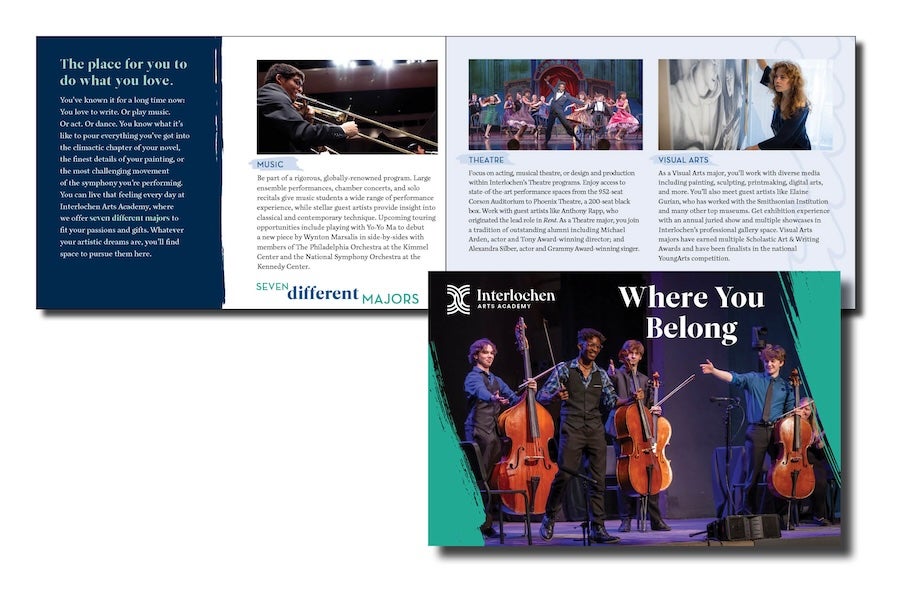
Dive deeper into Interlochen Arts Academy with a free digital viewbook