
How to choose the right creative writing high school: A checklist for parents and students
Does your student have a gift for writing? Here’s what to look for as they take the next step in their creative journey.
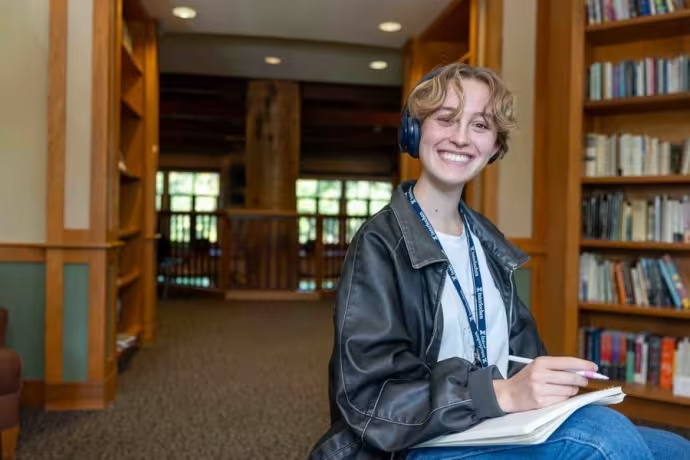
Your teenager has a gift for words. They write stories late into the night, craft poems that make you pause, and dream of becoming the next great novelist. But here's the reality: most traditional high schools simply can't nurture serious literary talent the way a dedicated young writer needs.
Finding the right creative writing program for your aspiring author isn't just about choosing a school that offers AP English classes. It's about discovering an environment where young writers can develop their unique voice, learn from published professionals, and graduate with the skills and portfolio needed for the next step in their literary journeys. This checklist will help you evaluate creative writing high schools and find the perfect fit for your budding wordsmith.
1. Dedicated creative writing major with comprehensive curriculum
What to look for: A structured program that treats creative writing as seriously as an academic discipline.
The best creative writing high schools offer focused curriculums that help young writers identify and cultivate their talents, expose them to the best written works from a variety of cultures and time periods, and broaden their command of the writer's craft.
As you’re exploring your options, look for schools that offer a full creative writing major, not just elective courses. Ask if the school offers a four-year course of study, and whether students can explore multiple genres like poetry, fiction, creative nonfiction, or screenwriting. It can also be helpful to ask how many hours per day are dedicated specifically to creative writing instruction. Some schools like Interlochen Arts Academy use a block schedule that allows students to devote their entire afternoons to creative writing.
2. Faculty who are published authors
What to look for: Teachers who aren't just educators—they're practicing writers with publishing credentials and industry connections.
The strongest programs employ faculty who are true writer-educators. Their experience extends beyond academia, ensuring that these professionals understand both the craft of writing and the realities of the publishing world.
Look up the biographies or websites of faculty members and see what they’ve published recently. Do they actively participate in the literary community? How accessible are teachers for one-on-one mentoring sessions? Instructors who are familiar with the ins and outs of the writing scene can provide valuable insights and help open doors for young writers.
3. Dedicated creative writing facilities and spaces
What to look for: Physical spaces designed specifically to foster the creative writing community.
Your student’s physical environment can shape their creativity profoundly. The best programs feature beautiful, meaningful environments where young writers feel at home and inspired.
Ask whether the program in question has dedicated creative writing spaces beyond regular classrooms. Do students have access to quiet writing areas and community gathering spaces? Are there venues for student readings and literary events? Do students have access to nearby natural areas, like lakes or hiking trails? The great outdoors can be an ideal space to reflect and gain inspiration.
4. Proven track record of student recognition and awards
What to look for: Students who consistently earn recognition in prestigious national competitions.
External validation demonstrates that a program is producing work at an exceptional level. Strong programs see their students sending work to competitions like National Scholastic Art & Writing Awards and earning recognition for their creations.
As you explore different creative writing high schools, ask how many students win Scholastic Awards, YoungArts recognition, or other national honors each year. Find out whether the program actively prepares students for competitions, and what kind of support students receive in developing contest submissions.
5. Workshop-based learning that builds critical thinking
What to look for: Regular writing workshops where students share work and learn to provide constructive criticism.
In the best programs, students learn to listen, read, and critique like writers. This collaborative environment teaches essential skills that go far beyond individual writing ability. Students also develop critical thinking skills and begin to understand how their work impacts a readership.
Ask how often students participate in workshop sessions, what a typical class size is, and whether students are taught to provide meaningful feedback to peers. These kinds of personalized opportunities can help young writers build bridges to the professional writing world.
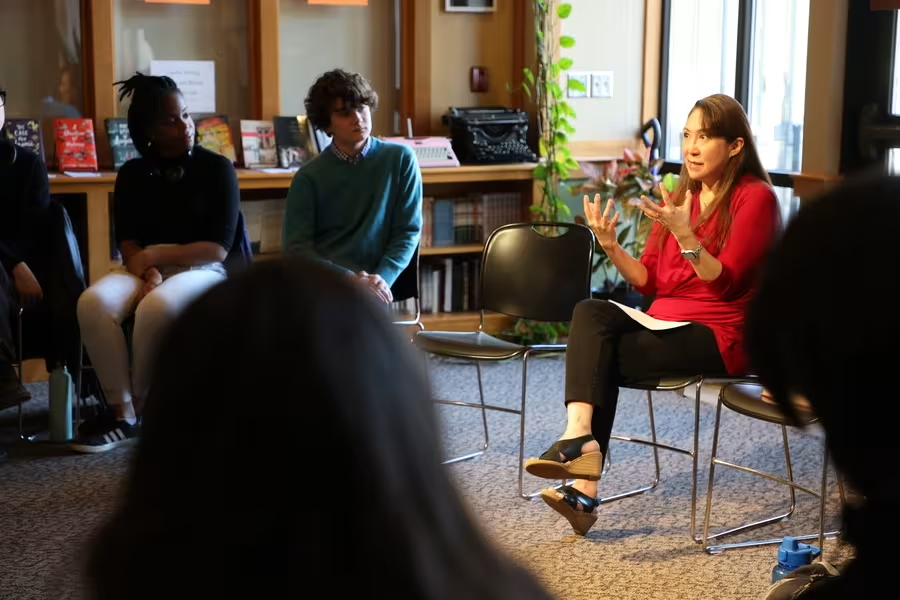
Guest artist Angie Kim speaks to Academy creative writing students.
6. Master classes and advanced workshop opportunities
What to look for: Advanced learning opportunities that go beyond regular coursework.
The most comprehensive programs offer master classes that provide students with intensive, advanced instruction from accomplished professionals. These opportunities allow students to meet their literary heroes, push their writing to new levels, and gain exposure to different approaches and techniques.
See if the schools you’re exploring post lists of visiting writers. Ask how often master classes occur, and whether students have opportunities to attend readings. A strong visiting writer series can be a true difference-maker in a young writer’s career.
7. College preparation and real-world readiness
What to look for: Programs that prepare students for the next steps in their literary education and careers.
Strong creative writing programs ensure students graduate with both polished portfolios and the knowledge needed for college applications and beyond. Students should be taking college-preparatory academic classes alongside intensive artistic training. This combination positions them for success in competitive college programs.
Ask whether students graduate with college-ready portfolios and what support is available for students applying to competitive creative writing programs. The best programs create a clear pathway from high school creative writing to college and professional opportunities.
8. National recognition and institutional excellence
What to look for: Programs backed by institutions with proven track records of excellence in arts education.
When evaluating creative writing programs, consider the broader institutional reputation. Look for schools that have received recognition from sites like Niche.com, and see what parents have to say on web forums and social media. Find out where the school’s alumni end up and read any success stories you can find about the program.
Check how long the creative writing program has been around, and what national recognition (if any) the institution has received. Read up on the school's reputation within the broader arts education community. Institutional excellence often translates into superior resources, faculty, and opportunities for students.

Finding the perfect creative writing high school
Still wondering how to choose the right creative writing high school? Don’t forget to look at the big picture. The right creative writing program offers young authors both guidance and room to explore within a supportive yet challenging environment. Look for programs that combine rigorous instruction with creative freedom, professional mentorship with peer collaboration, and high expectations with nurturing support.
Take time to visit programs in person. Observe how students interact with their creative spaces. Attend student readings, sit in on workshops, and talk to current students about their experiences.
The best creative writing programs don't just teach technique—they cultivate artists who understand their craft, their audience, and their place in the broader literary community. They create environments where young writers thrive, grow, and prepare for the next chapters of their literary journeys.
Dive deeper into Interlochen Arts Academy with a free digital viewbook