The top 10 best music summer camps in the U.S.
From summer-long classical music festivals to week-long jazz intensives, here are some of the best summer music programs for aspiring musicians of all ages.
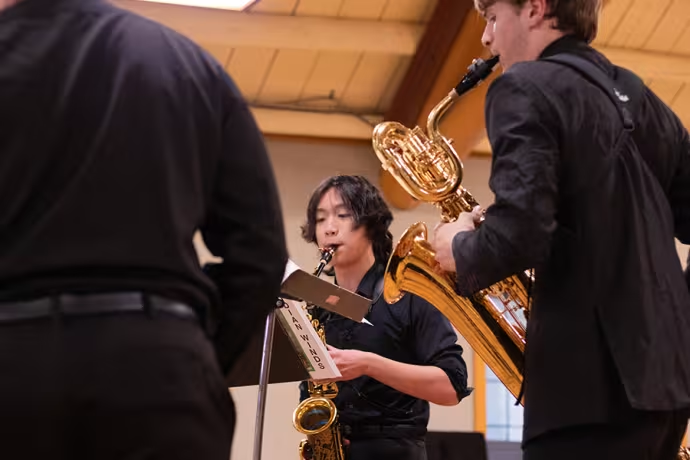
Saxophone students perform in a final recital as part of Interlochen Arts Camp’s Saxophone Intensive.
Summer music camps offer young musicians unparalleled opportunities to immerse themselves in their craft while building lifelong friendships and memories. These intensive programs combine rigorous musical training with the joy of artistic discovery—providing students with experiences that can shape their musical journey for years to come.
Whether you’re a classical violin prodigy or an aspiring rock guitarist, the United States offers some of the world's finest music summer camps. From prestigious classical music summer camps that have launched the careers of internationally renowned artists to contemporary programs that embrace modern musical styles, these institutions provide comprehensive training in performance, technique, and musical collaboration. Music students gain access to world-class faculty, state-of-the-art facilities, and peer networks that often extend far beyond the summer experience.
The following guide highlights the most exceptional music summer camps across the country—each offering unique opportunities for musical growth and artistic exploration.
1. Interlochen Arts Camp - Interlochen, Michigan
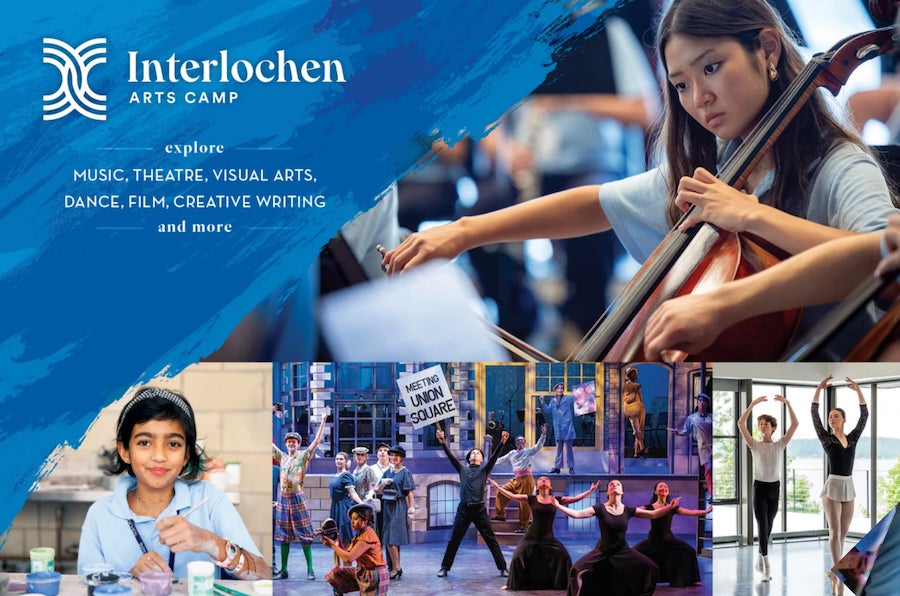
Interlochen Arts Camp is one of America's first and foremost summer arts programs, welcoming students in grades 3-12 to its beautiful 1,200-acre campus in northern Michigan. Founded in 1928, Interlochen has built an unmatched reputation for excellence in classical music education—though it also embraces contemporary styles and offers exceptional programs in six other artistic disciplines.
Programs Offered: The Camp features comprehensive programs in orchestra and wind symphony, string quartet, piano, voice, composition, jazz, singer-songwriter, popular music, and music production and engineering. Students participate in ensembles ranging from full orchestras to jazz combos, with additional opportunities to perform in solo and chamber music recitals and concerto competitions.
Age Groups: Grades 3-12, with programs specifically designed for different age ranges and skill levels.
Notable Alumni: The Camp has produced numerous Grammy Award winners, including singer-songwriters Chappell Roan and Norah Jones; Beach Boys member Bruce Johnston; tenor Nicholas Phan; and conductor Cristian Mӑcelaru, among many others. 13% of the nation’s orchestral musicians—including multiple principal players—attended an Interlochen program.
What Sets It Apart: Interlochen is one of the "biggest names" in summer music camps, attracting students from across the globe with its competitive atmosphere and world-renowned faculty. The Camp's unique location offers students the chance to enjoy the lakes and forests of northern Michigan and perform in iconic, open-air venues like Kresge Auditorium and The Interlochen Bowl. Its comprehensive interdisciplinary approach ensures students receive both intensive training and immersion in multiple artforms.
2. Boston University Tanglewood Institute - Lenox, Massachusetts
The Boston University Tanglewood Institute (BUTI) represents the pinnacle of classical music education, held at the same Berkshires location as the renowned Tanglewood Music Festival. This highly selective program attracts the most dedicated young classical musicians from around the world.
Programs Offered: BUTI offers intensive training in orchestral instruments, piano, voice, composition, and conducting. The Young Artists Orchestra, Young Artists Wind Ensemble, and Young Artists Vocal Program provide professional-level ensemble experiences, while the Composition and Conducting programs offer specialized training in these demanding fields.
Age Groups: BUTI’s programs are designed for musicians ages 14-20, although younger students are eligible to apply. The average age of a BUTI participant is 16.
What Sets It Apart: Tanglewood is among the biggest names in the United States for music camps. Costs range from thousands of dollars to next-to-nothing, depending on scholarships. Students benefit from studying alongside Boston Symphony Orchestra members during the Tanglewood season, providing unparalleled exposure to world-class artistry. The program's selectivity and intensity make it ideal for students seriously considering careers in classical music.
3. Aspen Music Festival and School - Aspen, Colorado
Set in the stunning Rocky Mountains, the Aspen Music Festival and School combines rigorous musical training with the natural beauty of Colorado's high country. This program attracts students and faculty from around the globe for eight weeks of intensive musical study.
Programs Offered: Comprehensive classical music programs including orchestral instruments, piano, voice, chamber music, opera, and composition. The school also offers jazz studies and a music technology program.
Age Groups: Most of Aspen’s flagship programs, including the orchestral experience, are reserved for students ages 18 and up. Younger students may participate in private lessons and chamber music; however, on-campus housing is not available for musicians under the age of 18.
What Sets It Apart: Aspen ranks among the top-tier programs, offering students the unique music camp experience of studying at 8,000 feet elevation. The program's length allows for deep artistic development, and its festival atmosphere means students perform for audiences that include music lovers from around the world.
4. National Symphony Orchestra Summer Music Institute – Washington, D.C.
Hosted at the Kennedy Center, the National Symphony Orchestra Summer Music Institute (SMI) offers young musicians an elite, four-week orchestral training experience in the heart of the nation’s capital. Each summer, a select group of high school and college-aged musicians study and perform alongside members of the NSO in an immersive program that balances world-class mentorship with the excitement of Washington’s vibrant cultural scene.
Programs Offered: SMI focuses on orchestral performance, with participants engaging in daily rehearsals, masterclasses, and private lessons led by NSO musicians. Students perform in a full orchestra, chamber groups, and side-by-side concerts on the Kennedy Center’s storied stages.
Age Groups: The program welcomes serious musicians ages 15–20 through a competitive audition process.
What Sets It Apart: SMI’s integration with a professional symphony orchestra provides an extraordinary opportunity for hands-on learning and artistic growth. Participants benefit from individualized attention, professional-level rehearsal schedules, and the unique experience of living and performing in one of America’s most dynamic cities—all tuition-free for accepted students.
5. Berklee Summer Programs - Boston, Massachusetts (and other locations)
Berklee College of Music offers summer programs in music performance, music production, songwriting, and music business. These programs represent some of the finest contemporary music education available, perfect for students interested in jazz, rock, pop, electronic music, and music industry careers.
Programs Offered: Contemporary music performance, songwriting, music production and engineering, music business, film scoring, and specialized workshops in various contemporary styles. Programs range from one-week intensives to month-long comprehensive studies.
Age Groups: Various programs serve ages 12-18, with different tracks designed for specific age groups and experience levels. Please note that most programs for younger students are day camps; on-campus housing is not available.
What Sets It Apart: Berklee's focus on contemporary music makes it unique among elite summer programs. Students gain hands-on experience with industry-standard equipment and software while learning from faculty who are active professionals in the music industry. Programs are available in multiple locations—including Boston, New York City, Los Angeles, and Valencia, Spain—providing immersion in some of the world’s most vibrant cultural destinations.
6. Stanford Jazz Workshop - Stanford, California
Stanford Jazz Workshop's summer programs create an immersive "jazz village" experience on Stanford University's campus, where students learn from world-class jazz performers and educators. Founded in 1972, the program has welcomed more than 10,000 students and artists from around the world.
Programs Offered: Three programs are available—Giant Steps Day Camp, Jazz Camp, and Jazz Institute—each of which are offered in one- and two-week sessions. Programs are open to all instruments, including strings and vocals.
Age Groups: Giant Steps Day Camp is designed for middle school students. Jazz Camp serves ages 12-17, while the Jazz Institute welcomes musicians ages 14 and up by audition.
What Sets It Apart: The program transforms Stanford's campus into a self-contained jazz hub where classrooms, performance venues, dining halls, and dorm rooms are steps away—fostering natural musical interaction between generations. Students attend concerts by world-leading jazz artists as part of the integrated Stanford Jazz Festival. Additionally, the workshop annually awards more than 100 scholarships to youth with financial need.
7. Merit School of Music Summer Camps - Chicago, Illinois
Merit School of Music's Nancy W. Knowles Summer Camp Program is designed for ages 6-18—beginner through advanced—making quality music education accessible to students across a wide range of skill levels and economic backgrounds. This program emphasizes both musical excellence and community engagement.
Programs Offered: Programs span classical, jazz, contemporary, and world music styles. Options include beginner-friendly camps, two-week programs, and specialized intensive workshops.
Age Groups: Ages 6-18, with programs specifically designed for different developmental stages.
What Sets It Apart: Merit's commitment to accessibility and diversity creates a uniquely inclusive environment. The program offers extensive scholarship support and actively recruits students from underserved communities, creating rich learning environments that reflect America's musical diversity.
8. Brevard Music Center - Brevard, North Carolina
Nestled in the Blue Ridge Mountains, Brevard Music Center combines intensive classical training with the beauty of North Carolina's natural landscape. This seven-week institute has been developing young musicians since 1936.
Programs Offered: Comprehensive classical music programs including orchestra, opera, chamber music, piano, and composition, plus a jazz program. The center's opera program is particularly renowned.
Age Groups: Brevard offers separate divisions for high school students (ages 14-18) and college students (ages 18-29). The Blue Ridge Guitar, Banjo, and Fiddle Camps are open to musicians of all ages, although minor students must be accompanied by a parent or guardian.
What Sets It Apart: Brevard's mountain setting provides inspiration and tranquility that enhances the musical learning experience. The program's long tradition and strong alumni network create ongoing mentorship opportunities, while its opera program offers unique training opportunities for young vocalists.
9. School of Rock Music Camps - Multiple Locations
School of Rock offers seasonal music camps for kids and adults focused entirely on contemporary music styles. These programs provide intensive training in rock, pop, and alternative music performance.
Programs Offered: Rock band performance, guitar camp, songwriting, artist-themed programs, recording, and music production. Students form bands and work toward live performances, learning both technical skills and stage presence.
Age Groups: Various programs serve ages 6-18, with some adult programs also available.
What Sets It Apart: School of Rock's exclusive focus on contemporary music fills a unique niche in summer music education. The program's performance-based approach gives students real-world experience in band dynamics and stagecraft—skills essential for contemporary music careers. With 400-plus locations across the globe, it’s easy to find a School of Rock program in your area.
10. Philadelphia International Music Festival - Philadelphia, Pennsylvania
The Philadelphia International Music Festival offers study with members of The Philadelphia Orchestra, featuring orchestra, chamber music, and solo performance opportunities. This program provides intimate access to world-class musicians in one of America's most historic cities.
Programs Offered: Orchestral training, chamber music, piano, college audition preparation, and solo performance coaching with Philadelphia Orchestra members. The program includes master classes, private lessons, and performance opportunities.
Age Groups: Ages 11-19, with programs structured for different skill levels within this range. Students ages 8-10 can participate in the Junior Symphony Orchestra program.
What Sets It Apart: Direct access to Philadelphia Orchestra members provides students with unmatched insights into professional orchestral playing. The city's rich musical culture offers additional learning opportunities, while the program's selective nature ensures high-quality peer interactions.
How to choose the right music summer camp
Selecting the ideal music summer camp requires careful consideration of several factors.
First, assess your current skill level and musical goals. Programs like Tanglewood and Aspen are best suited for advanced students seriously considering music careers, while programs like Merit and School of Rock welcome students across broader skill ranges.
Consider musical style preferences as well. Classical-focused programs like BUTI and Eastern Music Festival provide intensive training in traditional repertoire, while Berklee and School of Rock emphasize contemporary styles. Some programs, like Interlochen, offer both classical and contemporary tracks.
Location and duration also matter significantly. Longer programs like Aspen provide deeper immersion but require greater time commitment, while shorter intensives might better suit first-time music campers or those with other summer commitments. Mountain settings like Brevard and Aspen offer inspiring natural environments, while urban programs like Berklee provide access to professional music scenes. Location is also a significant factor if you are considering an institution that does not offer student housing—you’ll need to live within driving distance or stay with a parent or guardian in a hotel near campus if you wish to participate.
Finally, consider practical factors including cost, scholarship availability, and your readiness for the independence required by overnight programs. Many programs offer substantial financial aid, making elite training accessible to families across economic backgrounds.
Frequently asked questions
When should I start applying to competitive summer music programs?
Applications typically open in fall for the following summer, with application deadlines ranging from December through March. Some programs announce enrollment decisions as early as mid-March, so early preparation is essential.
Are these programs only for students planning music careers?
Not at all. While some programs attract pre-professional students, many welcome serious amateur musicians who simply want intensive musical experiences. Programs like Merit specifically serve students across various skill and commitment levels.
Music camp alumni ultimately pursue careers in both music and many other fields; those who do not enter the music industry often cite their time at music camp for preparing them for career success by instilling skills such as discipline and collaboration.
What should I prepare for my auditions?
Requirements vary by age, program, and instrument, but typically include scales, etudes, orchestral excerpts, and/or solo repertoire from different musical periods. Check each program's specific requirements early and prepare thoroughly with a qualified teacher.
How competitive are these programs?
Top-tier programs like Tanglewood and Aspen are highly selective, often accepting fewer than 20% of applicants. However, many excellent programs have higher acceptance rates while still maintaining excellent standards.
Can younger students attend these programs?
Age considerations vary by program, with some accepting students as young as 14 for intensive festivals. Programs like Interlochen and Philadelphia serve students as young as grade 3, while others focus on high school and college-age participants.
Conclusion
America's music summer camps represent some of the finest educational opportunities available to young musicians. Whether pursuing classical excellence at Tanglewood, exploring contemporary styles at Berklee, or developing musical skills in the idyllic environment of Interlochen, students can find programs perfectly suited to their needs and aspirations.
The key to selecting the right program lies in honestly assessing your current abilities, future goals, and personal preferences. While prestigious programs offer unmatched training and networking opportunities, the best camp is ultimately the one that challenges you appropriately while nurturing your love for music.
These intensive summer experiences often prove transformative, providing technical advancement, artistic inspiration, and lifelong friendships with fellow musicians. Regardless of whether students pursue music professionally or as passionate amateurs, the skills, confidence, and joy gained at these exceptional programs will enrich their lives for years to come. Start exploring options early, prepare thoroughly, and embrace the extraordinary musical journey that awaits you.
Dive deeper into Interlochen Arts Camp with a free digital viewbook