How Interlochen supports the safety and well-being of young campers
Discover the safety measures and resources in place for young students attending Interlochen Arts Camp.
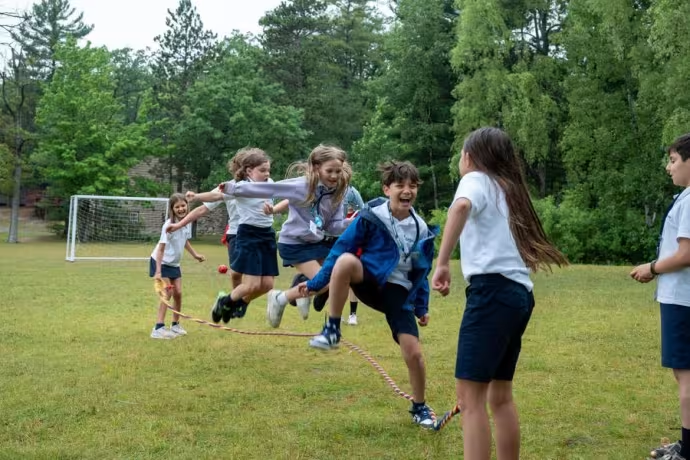
At Interlochen Arts Camp, the safety and well-being of students is of the utmost importance. Interlochen strives to create a campus environment where students of all ages can thrive, including ample physical safety measures, thoughtful faculty and staff training, mental health support, and community building.
Parents of young children may feel apprehensive about sending their children to an overnight camp, especially if it's the first time their child will be away from home for a long period of time. Understanding how your child will be supported and the safety measures in place to keep them safe is crucial to making an informed decision about their summer camp experience.
“Every parent wants to know their child will be safe, supported, and cared for when they're away from home. As a parent myself, I understand that feeling,” Director of Campus Safety Ned Hartwick said. “We don't expect families to trust us just because we say safety is important. We know that trust has to be earned through what we do.”
Below, we’ll explore how Interlochen faculty and staff work to build that trust, creating a safe and positive camp experience for all our students.
What types of physical security measures does Interlochen have in place?
Interlochen takes a layered approach to safety on campus that includes a variety of physical safety measures like campus access controls, visible credentialing protocols, and campus safety monitoring.
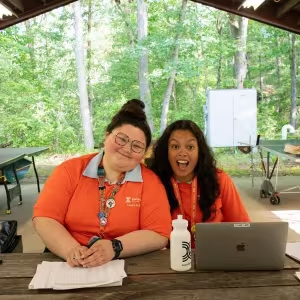
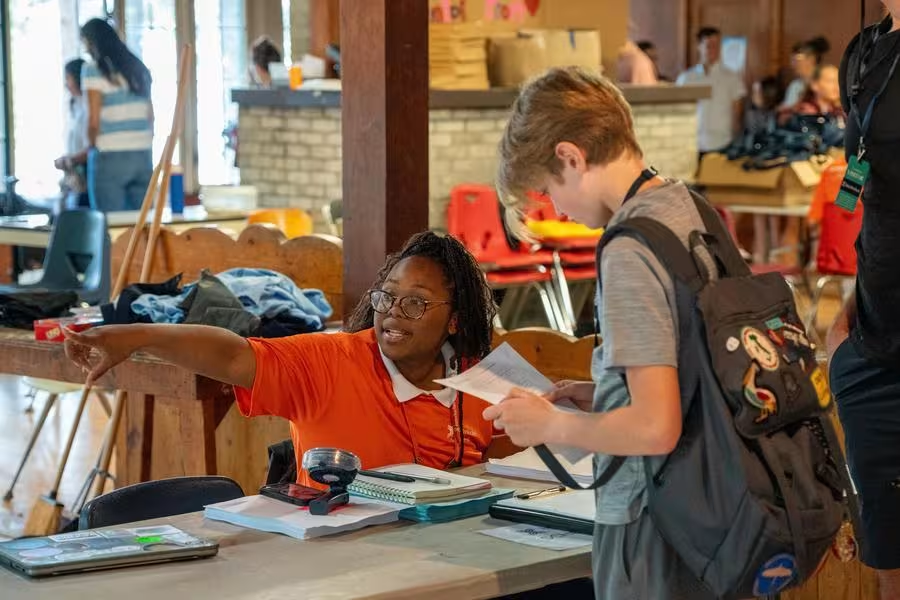
As part of Interlochen’s campus access controls, all vehicle entrances to campus are gated and monitored by campus safety staff who are trained to manage visitors and coordinate emergency responses. These staff also ensure that all employees, volunteers, and visitors receive credentials that must be worn visibly at all times while on campus.
In addition to this, unsupervised contact between students and any visiting adults who are not employees is strictly prohibited by Interlochen. Visitors are limited to specific areas on campus related to their visit, and safety staff are stationed in buildings throughout campus to monitor student spaces.
As a part of Interlochen’s safety monitoring efforts, Interlochen has also recently invested in a new outdoor security camera system for key parts of campus. This system provides crucial assistance for campus safety staff to monitor campus access and manage emergencies and drills.
“Safety at Interlochen is something we build together, layer by layer. From the caring adults who work directly with our youngest campers to our campus safety team, emergency communications, cameras, and access controls, each part matters,” Hartwick stated. “No single measure can address every situation, so we focus on building a system where these layers support each other and help keep our community safe.”
How does Interlochen prepare students and staff for emergency situations?
One important factor in student safety is emergency preparedness. Interlochen maintains a comprehensive site emergency plan and regularly collaborates with local emergency responders to run recurring drills to ensure students and staff are prepared for emergencies.
In addition to internal drills, Interlochen has also partnered with a variety of external partners to receive unbiased campus safety reviews, including FEMA-aligned Threat and Hazard Identification and Risk Assessments and external evaluations of all policies, procedures, and programs to protect students against sexual and gender-based harassment, misconduct, or abuse.
How does Interlochen train its faculty and staff to support student safety?
One critical step in student safety is to ensure that every faculty and staff member has been properly vetted and trained to provide the best possible experience for students. At Interlochen Arts Camp, all staff undergo multiple background checks prior to employment and receive annual training in mandated reporting and appropriate student contact.
“All faculty and staff have extensive training to help them be ready to work with a wide variety of campers of all ages,” Director of Student Support Services Michael Kern said. “This includes training on things to look out for to make sure all our campers are in safe and positive environments, but it also includes training on appropriate boundaries with campers.”
As part of these efforts, staff are trained to limit any 1-1 interactions with students outside of the classroom. When students need to take part in individual private music lessons, practice studios have been intentionally designed with windows as part of a safety-focused design.
For Director of Camp Life Jessi Kuehne, training is also a time to remind staff that younger students may need additional support as they adjust to being away from home for the first time.
“[Our training] covers things like homesickness, helping campers navigate friendships, managing big emotions, and creating a welcoming cabin environment,” Kuehne said. “We also talk about the importance of patience, getting to know each camper, and recognizing that something that might seem small to us can feel really big to a young camper.”
How does Interlochen support student health and well-being?
Interlochen seeks to create an environment where students feel empowered to speak up about their concerns, including any misconduct, mental or physical distress, or interpersonal conflicts on campus.
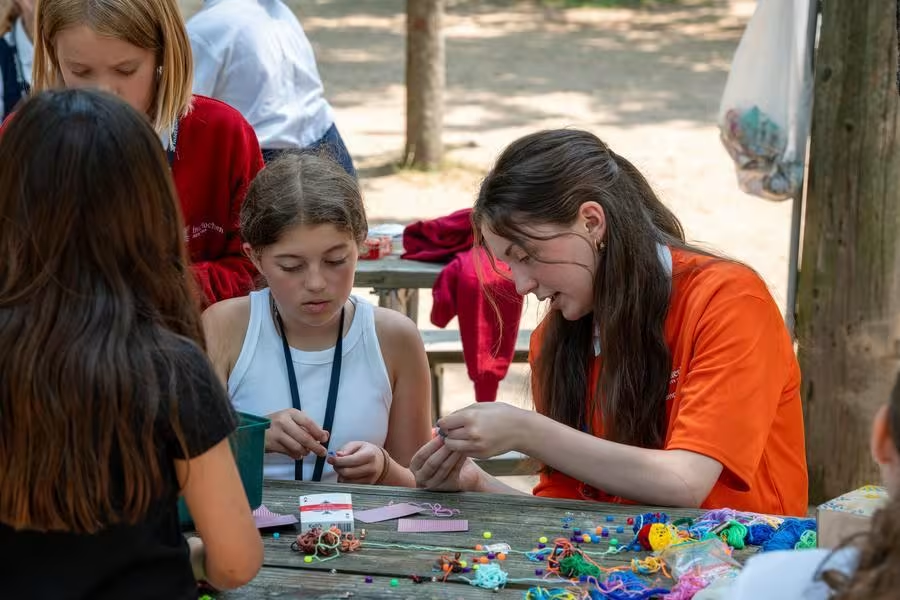
According to Keuhne, all camp staff are trained to help students navigate any concerns—big and small. Students will never be too far away from a trusted staff member, including cabin counselors, educational faculty, and campus safety staff.
“Coming to camp for the first time can be a big step, especially for younger campers who may be away from home for the first time,” Keuhne said. “Our cabin structure helps campers build connections right away, and our counselors work hard to make sure everyone feels included and has someone looking out for them.”
Students on campus also have access to a variety of physical and mental health resources, including three health centers on campus for routine care. Licensed mental health professionals are also available to support students if needed and to help guide staff in their interactions with students.
Kern emphasized how important it is that students feel comfortable to build connections while on campus, saying, “Our staff works hard to get to know each camper so that campers feel comfortable speaking up if they need something.”
At the end of the day, however, Hartwick maintains that while it’s important to encourage students to speak up, the responsibility to keep children safe is on the adults around them. “We earn their trust by listening, taking concerns seriously, and following through when someone asks for help.”
Conclusion
Interlochen Arts Camp’s top priority is to create a safe environment for students of all ages to explore their love for the arts. While parents of first-time students may feel nervous about their time at camp, Interlochen is here to answer any questions and share resources to help ease your concerns.
“We want families to share their questions, concerns, and anything that might help us support their child,” Director of Campus Safety, Ned Hartwick said. “Keeping campers safe is a partnership, and that partnership starts well before a camper arrives on campus.”
For more information on campus safety, please visit interlochen.org/about/safety-interlochen.
Dive deeper into Interlochen Arts Camp with a free digital viewbook