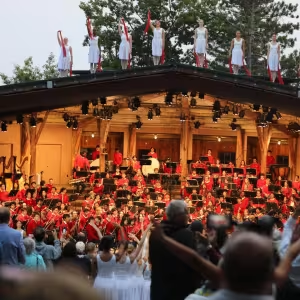
How does Interlochen compare on camp safety?
Discover how Interlochen and camps across the area work to create safe, positive experiences for every student.
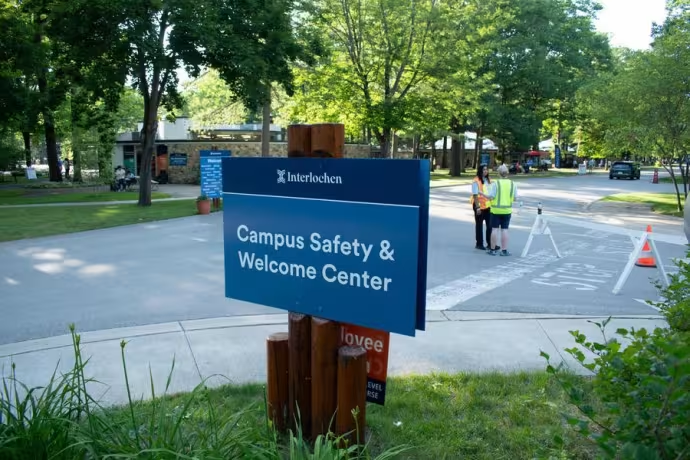
As an institute in charge of caring for children and adolescents, Interlochen’s most important responsibility is maintaining a safe and secure campus. In order to ensure campers feel safe during their stay, Interlochen has enacted physical safety protocols, rigorous staff training, and external safety reviews to go above and beyond required safety measures.
“At Interlochen, preparing our faculty and staff to work with young people is something we take very seriously,” said Camille Colatosti, Provost of Interlochen Center for the Arts. “It begins with a thorough hiring process and comprehensive background checks, but it certainly doesn't end there.”
Below, we’ll explore some of the standard steps that camps across the region take to ensure safety, and how Interlochen works to meet and exceed those steps.
How does Interlochen compare on physical safety?
While physical safety measures can vary depending on the location and duration of each camp, common precautions most summer camps take include campus access controls, campus supervision, and comprehensive emergency planning.
One of the first safety barriers camps use to ensure student safety is limiting campus access, ensuring only known employees or volunteers are present on campus.
Blue Lake Fine Arts Camp in Twin Lake, MI, for example, closes their campus to the public except for vendor deliveries, pre-arranged tours, or public events. Employees are trained to identify and report any unknown or suspicious activity to ensure campus safety.
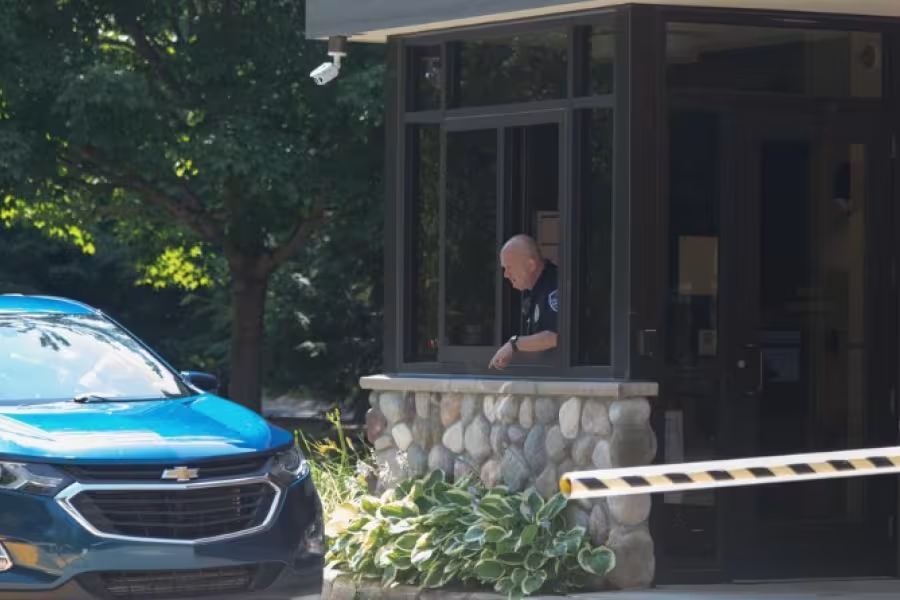
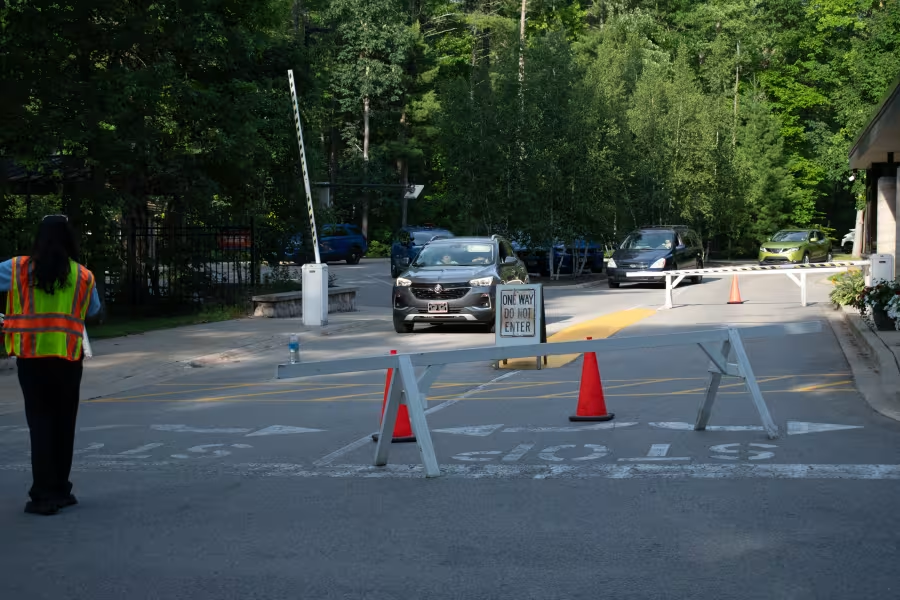
Similarly, Interlochen maintains a gated entrance that is staffed by safety personnel 24/7, allowing only known employees, volunteers, and visitors to campus. During public events and concerts, guests are only permitted to enter pre-arranged locations on campus that are monitored by campus safety. At no point are any members of the public allowed near student cabins—these areas are restricted only to a small number of camp staff who are trained to support student needs and entrances are monitored by campus safety.
According to Interlochen Director of Safety and Transit Ned Hartwick, building safety layer by layer, including emergency communications, cameras, access controls, and more, is essential to maintaining an agile safety program that can adapt to needs as they arise.
“No single measure can address every situation, so we focus on building a system where these layers support each other and help keep our community safe,” Hartwick said.
How does Interlochen compare on staff training?
One required element of camp safety for camps across the country is regular staff training and background checks. All Interlochen faculty, staff, and trustees undergo multiple annual background checks and must take part in annual training on mandatory reporting, appropriate student contact, and behavioral management education.
Beyond required training, many camps will add additional layers of screening for camp personnel that will work directly with students, such as with Van Buren Youth Camp in Bloomingdale, MI who screens each camp counselor through personal interviews, performance at their leadership workshop, previous experience, and personal references.
These extra layers of protection ensure students receive the highest quality of care from safe staff members who have their best interests at heart.
For Colatosti, extra layers of screening and training make all the difference at Interlochen, too, helping staff to “understand their responsibilities for student supervision, recognize when a camper may need additional support, and know how to respond when concerns arise.”
“All faculty and staff have extensive training to help them be ready to work with a wide variety of campers of all ages,” Michael Kern, Director of Student Support Services at Interlochen explained. “This includes training on things to lookout for to make sure all our campers are in safe and positive environments, and also includes training on appropriate boundaries with campers.”
How does Interlochen evaluate campus safety?
While regulations vary from state to state, almost all summer camps are required to have some level of external safety oversight from their state to receive a camp license. Many camps, including Interlochen Arts Camp, also go through rigorous third-party evaluations in order to receive an accreditation from the American Camp Association, demonstrating a high-level commitment to health and safety.
Camps may choose to also work with public safety teams or additional third-party agencies to receive non-biased evaluations and consultations of site emergency plans, safety policies, and harassment or abuse prevention.
YMCA of Metropolitan Detroit, for example, has partnered with Praesidium Accreditation® to help manage their abuse prevention program, whereas Interlochen has partnered with Grand River Solutions and the Association of Title IX Administrators for its evaluations.
These types of third-party consultations are critical to building the safest camp environments possible, ensuring that any blind-spots are covered.
Partnering with first responders around the Interlochen area has been especially crucial for Hartwick. “We want those partnerships to go beyond just knowing who to call in an emergency,” Hartwick said. “We want our partners to understand our campus, our operations, and the unique needs of the campers we serve.”
Conclusion
The safety of each and every student is of the top priority for camps across the country. Creating and maintaining physical safety measures, staff training, and regular external reviews are some of the many ways summer camps cultivate a safe student environment.
At Interlochen Arts Camp, faculty and staff work tirelessly to improve the overall safety and quality of care students receive year after year. Campus safety continually reviews and assesses campus security, working with local authorities to conduct drills and assess emergency plans. In addition to this, Interlochen runs multiple levels of background checks and performs annual training for all staff to encourage student safety.
“Every camp has a responsibility to protect the children in its care,” Hartwick said. “What matters to me is whether we're asking tough questions, learning from what we find, and making real improvements.”
To learn more about how Interlochen approaches safety on campus, visit our campus safety page here.
Dive deeper into Interlochen Arts Camp with a free digital viewbook