How To Find The Best Boarding Schools For Your Child
Discover the main types of boarding schools, plus the top 12 factors to consider when making a decision.
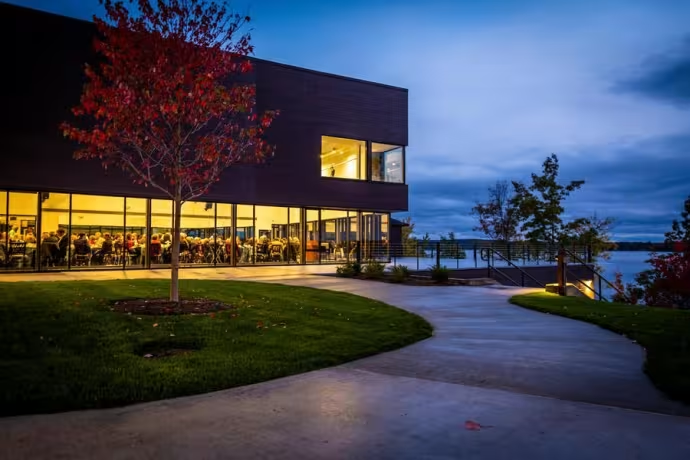
The Dance Center at Interlochen Arts Academy
When parents begin researching the best boarding schools, the search often starts with rankings or reputation. But the truth is, the “best” boarding school isn’t simply the one with the most prestigious name or the highest tuition. It’s the one that fits your child’s interests, personality, and goals.
Across the country, the best boarding schools in the U.S. offer extraordinary opportunities: small class sizes, supportive residential communities, world-class teachers, and access to resources many day schools can’t match. Boarding students live on campus, forming friendships that often last a lifetime while learning independence and responsibility.
But each student thrives in a different environment. Some schools emphasize rigorous academics and college preparation. Others focus on athletics, leadership development, or specialized programs such as the arts.
Ultimately, identifying the best boarding schools in America isn’t about prestige alone—it’s about discovering the environment where your child will grow academically, socially, and personally.
Types of Boarding Schools
One of the first steps in learning how to find the right boarding school is understanding the different types of schools available. Boarding schools vary widely in mission and focus. While all provide residential education, their programs can be very different.
Traditional College-Preparatory Schools
Traditional college-prep boarding schools emphasize rigorous academic programs and preparation for top universities. Students typically follow demanding curricula with advanced coursework in math, science, humanities, and languages.
Many of the best boarding schools in the U.S. fall into this category. Their graduates often go on to highly selective colleges, and they offer extensive academic resources such as research labs, tutoring programs, and independent study opportunities.
Arts-Focused Boarding Schools
For students with exceptional artistic talent, arts academies provide immersive training alongside college-prep academics.
One example is Interlochen Arts Academy, a fine arts boarding high school that enrolls nearly 600 students from around the world. Students pursue intensive training in disciplines such as classical and contemporary music, theatre, dance, visual arts, film and new media, creative writing, and interdisciplinary arts while completing a full academic curriculum.
Interlochen’s multidisciplinary environment allows students to collaborate across artistic fields, and guest artists frequently offer masterclasses and mentorship. Students also perform regularly and learn in professional-grade facilities, preparing them for careers in creative fields.
Therapeutic and Specialized Schools
Some boarding schools provide structured environments for students who need additional academic, emotional, or behavioral support. These schools often include counseling services, individualized learning plans, and smaller average class sizes.
Religious or Values-Based Schools
Many boarding schools are affiliated with religious traditions and integrate spiritual life into the student experience. These schools may include chapel services, community service requirements, and character development programs.
Military Boarding Schools
Military academies emphasize discipline, leadership, and physical training. Students often wear uniforms, follow structured daily routines, and participate in leadership programs.
Understanding these categories can help families narrow their search as they find boarding schools that match their child’s goals and learning style.
12 Factors to Consider
When researching boarding school options for your student, make sure to consider what kinds of programs and offerings will work best for their interests, needs, and goals. From STEM labs to debate teams, take a look at some of what’s available at the best boarding schools.
1. Academic Rigor & Curriculum
A defining feature of the best boarding schools is their commitment to academic excellence.
Because students live on campus, these schools can offer learning opportunities beyond the traditional school day. Evening study halls, faculty mentorship, and collaborative projects create an environment where intellectual curiosity thrives.
Many boarding schools also offer advanced classes such as:
- Advanced Placement (AP) courses
- Honors programs
- Independent research opportunities
- STEM labs and innovation centers
Students often work closely with faculty advisors who help them pursue individual interests or research projects.
2. Interdisciplinary Learning
Many of the best boarding schools in America encourage students to explore connections between disciplines.
For example, at arts academies like Interlochen, students might combine creative writing with film production or music composition with dance choreography. This interdisciplinary approach mirrors how professionals collaborate in real-world creative industries.
3. Personalized Academic Support
Another advantage of boarding schools is access to robust academic support systems. These may include:
- Writing centers
- Peer tutoring programs
- Faculty office hours
- College counseling beginning as early as sophomore year
With smaller class sizes and engaged faculty, students receive personalized guidance that helps them reach their academic potential. Most boarding schools also offer writing centers staffed by trained peers or faculty who can help students with all kinds of writing and study questions. Faculty at boarding schools are also very accessible; regular office hours mean students rarely have to wait long to get a question answered or a concept explained. And early college counseling means that students have time to thoughtfully explore their interests, build a strong application, and receive personalized guidance from dedicated counselors who know them well—long before it’s time to narrow down school choices.
4. Student Support & Residential Life
Living on campus is one of the defining aspects of boarding school life—and one of the reasons these schools can offer such transformative experiences. In the best boarding schools in the U.S., residential life is intentionally designed to support students’ academic success and personal growth. Students typically live in dormitories supervised by residential faculty members known as dorm parents or resident assistants. These adults provide mentorship, ensure student safety, and help create a sense of community.
Dorm life often includes shared meals, study sessions, community meetings, and organized weekend activities. Over time, these daily interactions build strong friendships and social skills.
5. Wellness and Student Care
Boarding schools recognize that students living away from home need robust support systems to feel safe, healthy, and ready to learn. Most reputable boarding schools provide on-campus health clinics staffed by nurses or doctors who can handle everyday medical needs, so students are never far from care. Mental health support is equally prioritized, with school counselors and therapists available for regular check-ins, stress management, and more serious emotional concerns.
Dorm parents and resident assistants also play a key role, serving as trusted adults who live alongside students and can spot when someone might be struggling. Many schools go a step further by weaving wellness into the daily routine through programs focused on mindfulness and resilience. This layered approach to student care means that even when students are miles from home, they're surrounded by people who are genuinely looking out for them.
6. Leadership Opportunities
Students frequently take on leadership roles as dorm prefects, club leaders, or student government representatives. These experiences help them develop confidence, responsibility, and communication skills.
7. Athletics
One reason families search for the best boarding school experience is the incredible range of extracurricular opportunities. Because students live on campus, schools can offer programs that extend well beyond the traditional school day. These might include school-sponsored and club athletics, strength and conditioning programs, access to wellness-related classes, and recreational facilities. These opportunities teach teamwork, resilience, and discipline—skills that benefit students both academically and personally.
8. Arts Programs
The arts are also a major focus at many boarding schools. At specialized schools like Interlochen Arts Academy, students spend hours each day developing their craft. Music students rehearse in professional studios and ensemble halls, theatre students perform on fully equipped stages, visual artists work in dedicated studios, and so on. Students may also learn from visiting guest artists and participate in professional-level performances, tours, or exhibitions.
9. Clubs and Activities
Beyond academics and arts, students can explore a wide variety of interests through various clubs. Here are some examples:
- Identity and affinity groups (Black Student Union, Queer Student Union, AAPI Affinity Group)
- Academic and competitive clubs (Model United Nations, Debate Club, Quiz Bowl)
- Creative expression clubs (Slam Poetry, Hip Hop Club, Student Newspaper)
- Science and technology clubs (Robotics Club, Ecology Club)
- Social impact and community clubs (Social Justice Club, Be a Friend Club)
- Outdoor and adventure clubs (Rock Climbing Club)
- Hobby and special interest clubs (DND Club)
These activities allow students to discover new passions while developing leadership skills.
10. Campus Culture, Location, and Safety
Another important factor when evaluating the best boarding schools in America is campus culture. Every school has a unique atmosphere shaped by its location, traditions, and community values. Some schools are located in historic towns or near major cities, offering access to museums, internships, and cultural events. Others, like Interlochen in northern Michigan, are set in scenic natural environments that encourage creativity, reflection, and outdoor exploration.
Safety is a top priority at modern boarding schools. Campuses typically have controlled access points, residential supervision, and dedicated health and security staff to ensure that students are protected and parents’ minds can be at ease.
11. Outcomes: College Placement & Alumni Success
Families researching the best boarding schools often look closely at outcomes, which should be detailed on the school’s websites. The best boarding schools have strong records of college placement because they provide extensive academic preparation and dedicated college counseling.
Boarding school graduates frequently attend prestigious universities and conservatories. For example, Interlochen Arts Academy alumni have gone on to institutions such as Juilliard, Harvard, and the University of Michigan, while others pursue professional careers in the arts.
Beyond college admissions, boarding school alumni networks often remain active for decades. Graduates form professional connections that support careers in fields ranging from science and business to music and film.
12. Cost, Financial Aid & Value
Boarding school tuition can be significant, but many schools offer generous financial aid. The best boarding schools in the U.S. understand that talented students come from many backgrounds and strive to make their programs accessible.
Financial aid may include:
- Need-based grants
- Merit-based scholarships for academics or the arts
- Payment plans
When evaluating cost, families should consider the full value of a boarding school education. Tuition and board usually covers:
- Housing and meals
- Academic instruction
- Extracurricular programs
- College counseling
- Use of campus facilities
For many students, the immersive learning environment and personal growth opportunities make the investment worthwhile.
How to Evaluate Fit
Choosing among the best boarding schools requires more than reading brochures or rankings. Families should take time to evaluate each school carefully.
Visit the Campus
Not everything about a school is apparent from its website. Campus visits can provide irreplaceable insight into the school’s culture and environment. During a visit, families can tour classrooms and dormitories, meet faculty and students, and attend performances or athletic events.
Ask the Right Questions
Consider asking:
- What support systems exist for students living away from home?
- How does the school balance academics and extracurricular activities?
- What opportunities exist for leadership and community engagement?
- What is the student-to-faculty ratio?
Consider Your Child’s Interests
The best approach to how to find the right boarding school is to focus on your child’s passions and goals. A student passionate about science may thrive at a research-focused school, while a young musician may flourish in a specialized arts academy. Fit—not reputation alone—is what leads to success.
Next Steps: Making the Decision
As you explore the best boarding schools in America, keep the bigger picture in mind.
The ideal school will challenge your student academically while supporting their personal growth. It will offer opportunities to pursue their chosen passions, build friendships, and develop independence. Most importantly, it will feel like a place where your student belongs.
Take time to visit schools, talk with admissions staff, and involve your student in the decision-making process. With thoughtful research, you can find boarding schools that open doors to remarkable educational experiences and outstanding outcomes.
Frequently Asked Questions
How do you know if boarding school is right for your child?
Boarding school may be a good fit if your child is motivated, gifted, and eager for independence. Students who thrive in boarding schools often enjoy immersive learning environments and benefit from close relationships with teachers and peers.
How do you choose a boarding school?
The best way to choose a school is to consider academic offerings, extracurricular programs, campus culture, and student support services. Visiting campuses and speaking with current students can also help families determine the right fit.
At what age should a child start boarding school?
Many boarding schools begin in ninth grade, though some (known as junior boarding schools) accept students as early as middle school. The ideal age depends on a student’s maturity, independence, and readiness for residential life.
Is boarding school worth the cost?
For many families, the immersive learning environment, academic rigor, and personal development opportunities make boarding school a valuable investment. Financial aid and scholarships also help make these programs more accessible.
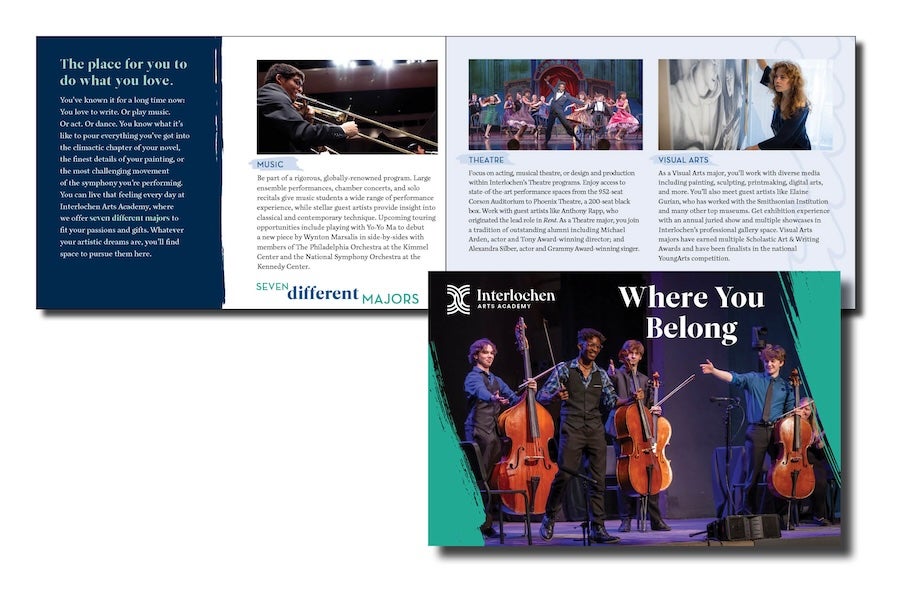
Dive deeper into Interlochen Arts Academy with a free digital viewbook