How to Choose the Best Creative Writing Camp for Aspiring Young Writers
From genre-specific workshops to general writing exploration, creative writing camps offer vastly different experiences that can make or break a young writer's summer goals.

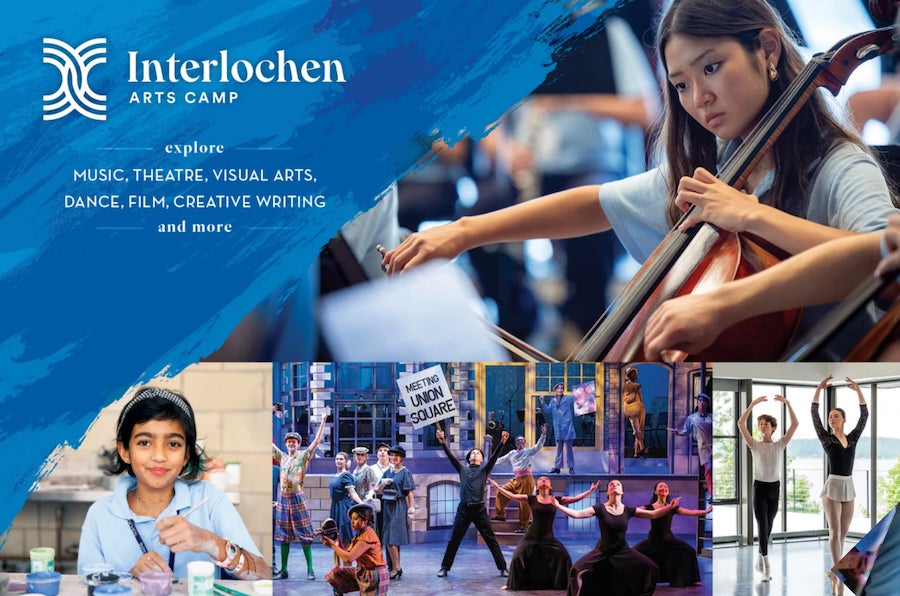
A creative writing student at Interlochen Arts Camp gives a reading.
Choosing the right creative writing camp can be transformative for young writers, providing them with the skills, confidence, and connections they need to flourish. With dozens of writing programs available—from intensive residential workshops to online communities—finding the perfect fit requires careful consideration of your student's needs, interests, and goals.
The decision matters more than you might think. A well-chosen camp can ignite lifelong passion for writing, provide mentorship from published authors, and create lasting friendships with fellow writers. This guide will walk you through selecting a creative writing camp, from understanding program types to evaluating costs and quality indicators.
Understanding Creative Writing Camp Options
Residential vs. Day Camps
Residential camps offer immersive experiences where participants live on campus for one to several weeks. These programs create bubbles of creative energy where young writers develop deeper friendships and have plenty of access to instructors. Evening readings, late-night writing sessions, and dormitory conversations about craft all contribute to intensive learning environments.
Day camps allow students to return home each evening while providing intensive daily instruction during program hours. These programs work well for local families, younger participants, or those preferring to maintain home routines.
Online vs. In-Person Programs
Virtual camps have evolved dramatically, offering flexibility, accessibility, and lower costs while providing live instruction and community building through video conferences, breakout rooms, and online forums. They work particularly well for students in remote areas, those with scheduling conflicts, or families managing budget constraints.
Online programs eliminate travel costs and housing expenses, making quality instruction accessible to more families. Many feature asynchronous components allowing for different time zones and learning paces, though they require strong internet connections and comfortable technology use.
In-person camps provide irreplaceable elements like immediate peer interaction, spontaneous creative conversations, and energy from being physically present with other passionate writers. Face-to-face writing workshop environments often lead to more nuanced feedback sessions and stronger mentor relationships that can continue beyond the camp experience.
Specialized vs. General Programs
Genre-specific camps focus on particular areas like fantasy and science fiction, poetry, screenwriting, or graphic novels. These intensive programs work ideally for students who already know their passion—a young fantasy writer might thrive in programs featuring worldbuilding workshops and visits from published genre authors.
General programs offer broad exposure to multiple forms of creative writing, typically covering fiction, poetry, creative nonfiction, and sometimes drama or screenwriting. These camps work better for students still exploring interests or wanting to strengthen overall writing foundations before specializing.
Age and Skill Level Considerations
Matching Development Levels
Creative writing camps typically organize participants by age ranges reflecting both writing development and social maturity needs. Elementary programs (ages 8-11) focus on storytelling fundamentals, creative play, and confidence building through story games, illustration activities, and supportive sharing circles where every voice is celebrated.
Middle school camps (ages 11-14) can handle more structured workshop formats, peer critique sessions, and longer writing projects spanning multiple days. This age group benefits from programs balancing creative freedom with gentle skill-building in areas like character development, basic plot structure, and descriptive writing techniques.
High school programs (ages 14-18) often resemble college-level workshops, featuring serious peer critique, publication opportunities, and college preparation components. These camps may include sessions on submitting work to literary magazines, crafting compelling college application essays, or even meeting with major published authors.
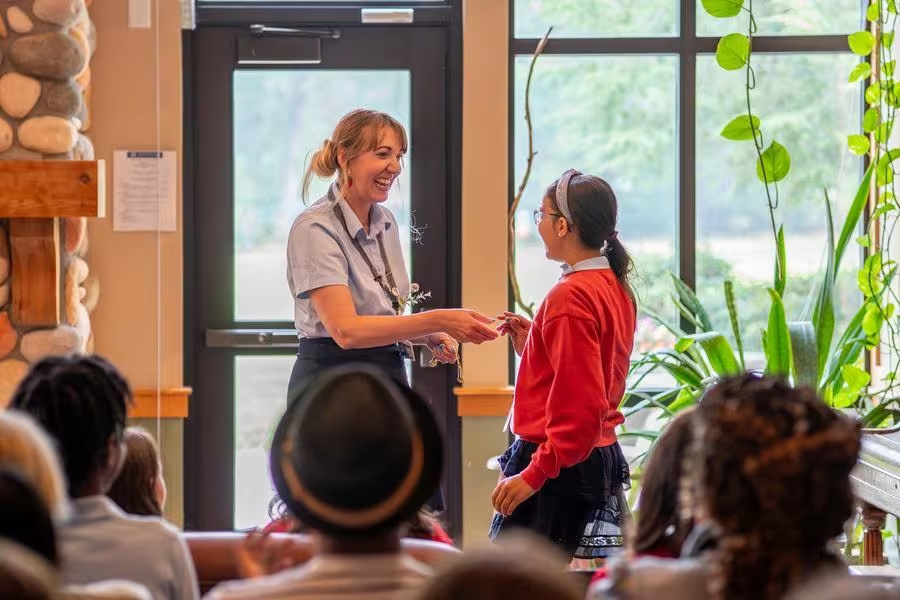
After giving a reading, this student at Interlochen Arts Camp is congratulated by the head of Interlochen's Creative Writing division, Karyna McGlynn.
Faculty and Program Quality Indicators
Professional Experience and Teaching Skills
Research instructor backgrounds carefully, looking for a combination of professional writing experience and youth education skills. Published authors bring industry credibility and real-world insights about writing, revision, and publication processes, sharing valuable perspectives about professional writing careers. The most effective instructors understand developmental considerations, maintain age-appropriate expectations, and create supportive environments where students feel safe taking creative risks.
Student-to-Instructor Ratios
Smaller ratios generally translate to more individualized attention and detailed manuscript feedback. Elite programs often maintain very low student-faculty ratios. Larger programs with higher ratios can still provide effective instruction through teaching assistants, peer tutoring systems, or well-structured small-group activities. Some students actually prefer slightly larger groups for increased peer interaction and workshop energy.
Curriculum Structure and Teaching Methods
Examine how camps balance different instructional approaches. Workshop-intensive programs prioritize hands-on writing time, with students producing new work daily and sharing it for peer and instructor feedback. These programs work well for students who learn through practice and prefer active participation over academic analysis.
Literature-focused programs spend significant time reading and analyzing published works as models for student writing, often featuring morning literature discussions followed by writing exercises inspired by the readings. This approach suits students who enjoy academic exploration and want to understand craft through studying established authors.
Budget and Financial Considerations
Understanding Complete Program Costs
Camp tuition varies dramatically based on program type, duration, and included services. Day programs may cost somewhere between $100-$400, while residential programs typically cost several thousand dollars depending on duration and amenities.
Don’t forget to consider additional expenses including transportation to and from camp, required materials and books, spending money for activities, and potential technology needs for online programs. Some programs include everything in their fee structure, while others charge separately for materials, meals, and special activities.
Financial Aid and Accessibility
Many quality programs prioritize accessibility through financial assistance. Generally speaking, need-based scholarships are awarded based on the financial needs of the applicant’s family, and merit-based scholarships recognize exceptional artistic talent and potential in various disciplines.
Don't let cost prevent your family from exploring excellent programs. Many camps prefer offering aid rather than having unfilled spots, so inquire about financial assistance even if it's not prominently advertised on their websites.
Value Assessment Beyond Price
Compare camps based on educational value rather than price alone. Consider cost per instructional hour, student-to-instructor ratios, included materials and activities, and long-term benefits like publication opportunities, ongoing mentorship, or college preparation components.
Premium programs may feature exceptional faculty credentials, unique opportunities like author visits, or comprehensive support services including college counseling. Budget-friendly options can provide excellent value through efficient programming, community partnerships, and volunteer instructor participation.
Location and Logistical Considerations
Geographic and Setting Factors
Campus-based programs at colleges and universities often provide inspiring academic environments complete with libraries, bookstores, and cultural events. Students experience a preview of college life while accessing quality facilities designed for learning and creativity.
Specialized writing centers may offer more intimate settings with facilities designed specifically for creative work, including cozy workshop spaces, reading nooks, and dedicated writing retreats that foster contemplation and artistic development.
Urban vs. rural settings each offer distinct advantages. City camps provide access to literary events, independent bookstores, museums, and diverse communities that can inspire writing topics and perspectives. Rural or wilderness camps offer natural beauty, quiet reflection opportunities, and fewer digital distractions that can enhance creative focus.
Duration and Program Intensity
Camp lengths vary from single-day workshops to month-long intensive experiences. Week-long programs provide sufficient time for meaningful skill development while remaining manageable for most families' summer schedules and budgets, allowing students to complete substantial projects without overwhelming commitment.
Two- and three-week programs enable more comprehensive skill building, deeper community relationships, and completion of longer creative projects. Students can develop stronger peer friendships, participate in more individual faculty conferences, and experience greater creative growth through extended immersion.
Consider your child's attention span, independence level, and other summer commitments when selecting duration. Some students thrive with longer programs, while others prefer shorter, more focused experiences.
Frequently Asked Questions
How early should families start the application process? Begin researching programs as soon as possible. Program deadlines vary, but some have application deadlines as early as January, with admission decisions released in March.
What writing samples should students prepare? Most camps request several pieces representing the student's best work in their preferred genre, typically totaling 5-10 pages. Choose pieces demonstrating range and polish rather than length alone.
How do online camps compare to in-person experiences? Well-designed online programs provide excellent instruction and community building through video conferences, breakout rooms, and shared digital spaces. However, they may lack spontaneous interactions and full immersion characterizing residential camps. Online programs work best for self-motivated students comfortable with technology.
What should students bring to residential camps? Essential items include notebooks, pens, laptop or tablet for writing, comfortable clothes for various activities, and any required books. Most camps provide detailed packing lists. Avoid bringing expensive items or large amounts of cash.
Are creative writing camps worthwhile for younger children? Programs designed for elementary-age writers can effectively build confidence and creativity. However, focus on programs emphasizing fun and exploration rather than technical skill development. Consider shorter programs for young writers to gauge interest and readiness.
Making Your Final Decision
Choose based on an understanding of your young writer's specific needs, interests, and goals while balancing practical family considerations including budget, schedule, and travel logistics. The best camp creates an environment where your child feels appropriately challenged but supported, inspired but not overwhelmed by expectations.
Involve your young writer directly in the research process. Let them explore camp websites, read student testimonials, and imagine themselves participating in different program environments. Their genuine enthusiasm and comfort level with a program often predict success better than external prestige markers or rankings.
The goal isn't finding the "perfect" camp, but rather a program offering meaningful growth, creative inspiration, and positive experiences with writing community. Trust your instincts about program culture and educational values, and find one that truly aligns with your student and family. The creative writing camp landscape offers options for virtually every young writer.
Dive deeper into Interlochen Arts Camp with a free digital viewbook