How To Learn Digital Animation From Home

As the demand for digital animation skills continues to rise, many students and creative professionals are looking to learn digital animation from home. With job opportunities available in the entertainment, advertising, and marketing industries, this dynamic art form offers a variety of career paths for anyone looking to enter a creative field.
Digital animation is also a great way to stretch your skills and become a well-rounded creative, as it “requires tying together so many aspects of visual art, acting, writing, storytelling, sound design and more,” according to Kenna Savitri Marar, Instructor of Film and New Media at Interlochen Online.
For those researching how to learn digital animation online, it can be difficult to know where to start, but with the right guidance and tools at your disposal, anyone can become a digital animator.
Below, we’ll give you the basic information you need to start your journey as an animator, from foundational concepts, to essential tools, and digital animation courses you can take to hone your skills.
Understanding Digital Animation Basics
Digital animation is a broad category that includes any type of animation produced using computer software. Unlike traditional hand-drawn animation, digital animation can include moving images made of 2D drawings, 3D models, or hybrid animations that combine both styles.
Because digital animation is such a varied art form, the way digital animators work can look vastly different depending on any given project. Some digital animators spend their days working on an animation timeline, drawing individual frames for a 2D animation, and some may work in a 3D sculpting tool to create character models that can be rigged and animated in specialized software.
Despite this wide range of techniques, all digital animation draws its fundamental skills from traditional animation. Digital animators looking to grow their skills may study how to create a storyboard, design characters, and how to stretch and squash their art to stylize their animation frame-by-frame, just as traditional animators have done for over a century.
The big difference, of course, is where the animation is being made. To get a better sense of how digital animation works, let’s explore some common tools used by digital animators.
Essential Tools and Software
One of the first steps in learning digital animation is getting acquainted with animation software. There are hundreds of digital animation tools available on the market, so you’ll want to consider the style of animation you want to learn (2D vs 3D), the initial financial investment you want to make, and the type of hardware you have available to you.
Budget Options
For those on a budget, there are many free and open source software available for both 2D and 3D animation. Krita, Pencil2D, and FireAlpaca are all free to download programs that support 2D animation. For those interested in 3D animation, the program Blender offers tools for 3D modeling and animation.
Other budget options for those looking to animate on an iPad, tablet, or mobile device include ProCreate Dreams, Adobe Fresco, and Flip-a-Clip.
Paid Options
For those interested in paid options and looking to focus more on 2D animation, Toon Boom Harmony and Adobe Animate are popular subscription-based software used by many famous production teams. If you’re interested in non-subscription based tools, Clip Studio Paint and TV Paint are popular one-time purchase options.
Hardware Considerations
Many digital animation tools offer free demos to give you a feel for the program before you buy—and to help ensure your technology can handle the software. There are many animation programs that work well on mobile devices like iPads, however, more robust programs like Toonboom Harmony and Adobe Animate will require the use of a computer.
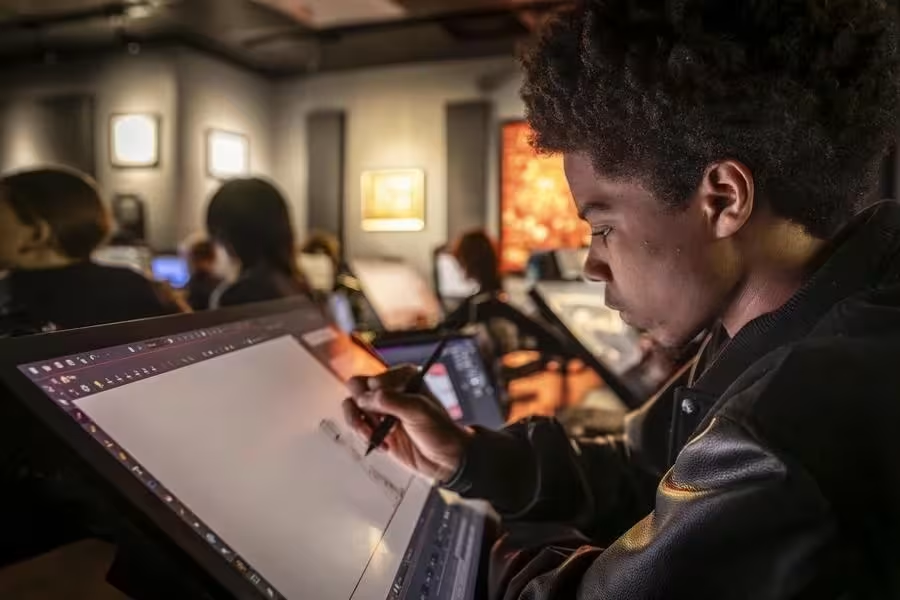
For those working on a computer, you will want to purchase a drawing tablet that connects to your desktop or laptop. Some drawing tablets will have a monitor display so they can function like an extended screen, but others will map the movement of a stylus onto the computer’s monitor—consider what works best for your space and workflow before you make any purchases.
Finding Quality Online Courses and Tutorials
Once you’ve become acquainted with the different programs available for digital animation, you may want to explore online digital animation courses and tutorials to hone your skills.
Self-Guided Tutorials
Many animation tools, including those listed above, offer free tutorials, community pages, and demo files on their websites to help teach animation basics. In addition to this, there are hundreds of free animation guides available on YouTube for animators of all skill levels, like this storyboarding guide from Kenna Savitri Marar, Instructor of Film and New Media at Interlochen Online.
Digital Animation Courses
For a more guided approach, Interlochen Online offers a variety of online digital animation courses. Led by world-class animators and educators, Interlochen Online’s programs are designed to teach both adults and teens foundational animation techniques, software proficiency, and animation production skills.
With eight sessions available year-round, animators can use these courses to deepen their craft, build out a digital animation portfolio, and earn credentials in both the Digital Animation Production certificate program and Digital Animation Studies certificate program.

Building a Practice Routine at Home
Like any art form, the more you practice your digital animation skills, the higher quality your work will be. Many digital animators benefit from a formal practice schedule, following daily or weekly exercises to challenge themselves. Others may take on mini-projects or viral challenges to grow their skills and their network online.
Regardless of how you practice, what’s most important is committing to a regular period of time to hone your skills. Many artists find having a dedicated workspace for their digital animation helpful for focus and motivation—having a go-to desk space or corner of the house is a great way to encourage a routine.
If you struggle to find time to practice, it can be helpful to remember that any amount of practice is still helpful in your art journey. Experiment with your schedule to find the type of practice that’s most helpful for you, and don’t be afraid to try new techniques or tools.
Creating a Portfolio and Showcasing Your Work
As you continue to grow as a digital animator, you’ll want to create an online portfolio or demo reel to showcase your skills, gain feedback, and connect with professional opportunities.
Using a Demo Reel Like a Résumé
An animator’s demo reel is often the first impression they make on potential employers or college admissions teams. It highlights your skill and your unique style, demonstrating your range as an animator.
Interlochen Online Instructor of Film and New Media, Kenna Savitri Marar, recommends that your demo reel should be short, sweet, and to the point. “Your demo reel works like a résumé—it competes against hundreds of other animators. Often the people choosing which demo reels they like or dislike will be looking at hundreds of reels, so if your demo reel is too long it may be skipped over altogether.”
Marar recommends creating a general demo reel that is about 1-2 minutes long if there isn’t a specified length for what you’re submitting.
Interlochen Online’s Digital Animation 101 course helps students build a diverse portfolio of animation projects, including the essentials many studios look for like character turnarounds, dynamic movements, and expressive gestures.
Using a Portfolio to Build Connections
When looking to connect with digital animation professionals, an animation portfolio also helps to put your name out in the space, connect with like-minded animators, and create a network to help you grow your craft and access animation opportunities.
Consider sharing your portfolio on social media to connect with a wider network of peers, opening the door for potential collaborations, freelance opportunities, and mentorships. Since social media is a space where people are seeking out your work, your demo reel can go a bit longer, ranging around 3-5 minutes in length.
Advancing Your Skills and Animation Career Path
As you continue to establish yourself as a digital animator, you may want to consider pursuing more intermediate or advanced training. Many animators will pursue internships, competitions, or even college programs to continue growing their skills.
There’s no “right path” to becoming a digital animator—but finding opportunities to practice, connect with other animators, and learn new techniques is always a great idea when looking to grow as an artist.
FAQs
Can I learn animation by myself?
Yes, you can absolutely start learning animation by yourself. There are hundreds of tutorials available online for foundational animation techniques and tools. If you know you’d benefit from a more guided approach, Interlochen Online offers flexible coursework in digital animation led by world-class animators and educators.
When is it too late to start animation?
It’s never too late to grow your artistic and professional skills. Like any art form, you just need to have the time to practice and the curiosity to explore new techniques and tools.
How do I learn animation as a beginner?
There are tons of great tutorials available to learn digital animation online. Many beginners will want to start by following basic tutorials for some of the most popular digital animation software, like Adobe Animate, Toon Boom Harmony, or Blender. For those looking to learn foundational skills, Interlochen Online’s digital animation courses are a great option for beginners.
Can I learn animation online?
The internet is a great place to start your digital animation journey—you can try out demos on different animation software, follow tutorials made by fellow digital animators, and take world-class online animation courses from the comfort of your home.
Is animation difficult?
As with every art form, animation takes time and practice to improve your skills. To become a digital animator, you’ll need to learn a digital animation tool, practice designing characters and environments, and learn how to draw or render smooth character movement. For beginners, this can seem like a daunting process, but as you continue to practice, it will become second nature.
Conclusion
Digital animation is a rich, growing art form offering exciting opportunities for artists of all ages. For those looking into how to learn digital animation online, there are tons of resources available to help you learn foundational skills and tools.
If you’re interested in exploring options with Interlochen Online, please review our digital animation courses and certificate programs.
How does Interlochen Online work? Start a free course demo.
✔ | Expert Faculty Receive direct, personalized feedback from a professional artist. |
✔ | Real Growth Develop artistic skills that are important to you in 30 days. |
✔ | Collaborate Connect with peers and instructors on your projects—or just for fun. |