
How Interlochen prepares staff to support young campers
Learn more about how Interlochen trains its staff to create a positive camp experience for young students.
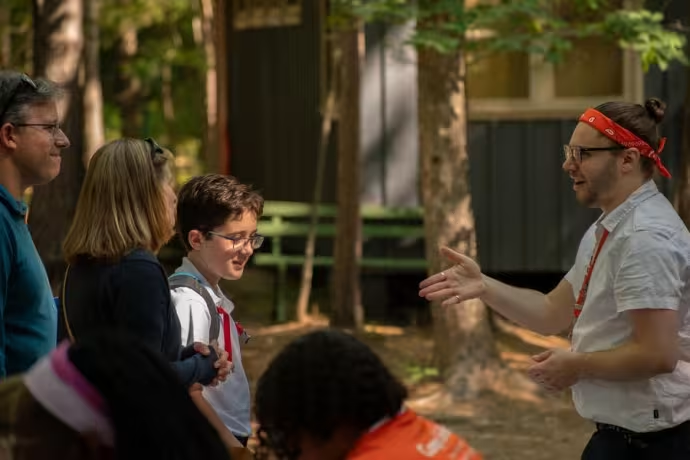
Creating a supportive camp environment for young students is a top priority for Interlochen Arts Camp each season. From intentional hiring practices, to annual training efforts and guidance from mental health professionals, Interlochen is constantly working to create a solid foundation for its youngest students to rely on.
Arts Camp staff understand that the transition from home to camp can be difficult for younger students. For many students, camp may be their first time away from home, something that may make both students and their loved ones feel nervous.
“Arriving at camp can be exciting, but it can also feel a little overwhelming to be away from home, meet new people, and navigate an entirely new environment,” said Camille Colatosti, Provost of Interlochen Center for the Arts. “Our counselors and Camp Life staff are wonderful at helping students make that transition.”
Below, we’ll walk through how Arts Camp staff help young students feel safe and supported as they transition to camp life for the first time. Exploring the most commonly asked questions about Interlochen camp staff, we’ll discuss Interlochen’s hiring practices, training methods, and the ongoing infrastructure in place to help young students feel safe and secure.
How does Interlochen select its faculty and staff?
Interlochen conducts a highly selective hiring process for all faculty and staff to ensure each candidate is safe and qualified to provide care for students. After an extensive interview process, multiple background checks are run on each applicant prior to hiring, including county and national criminal history screenings, sex offender registry checks, and Department of Health and Human Services child abuse/neglect clearances.
Interlochen repeats these background checks annually for all faculty, staff, volunteers, board members, and trustees to ensure campus is a safe environment for all students.
How much training do Interlochen staff receive?
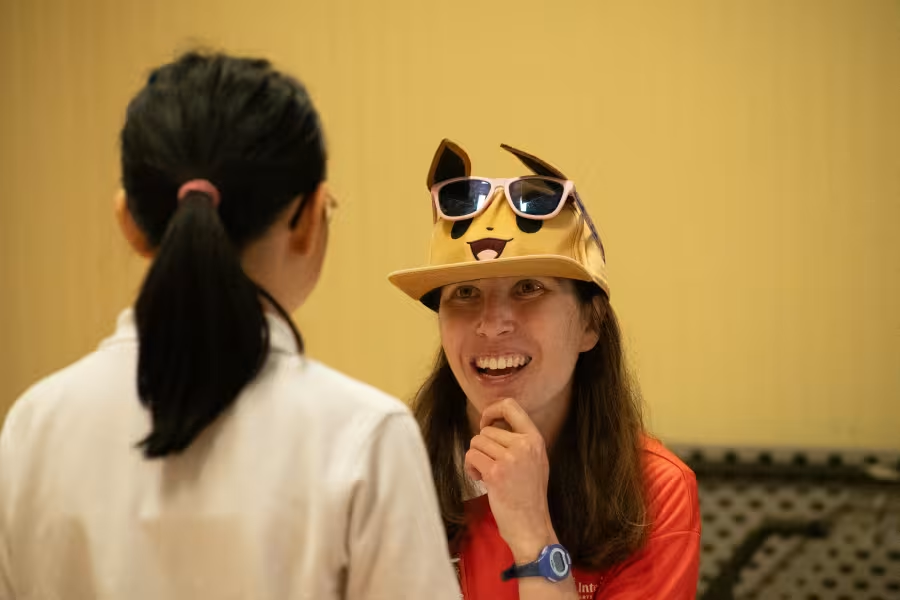
Arts Camp faculty and staff take part in multiple annual training sessions to ensure they are always up to date with the best practices for student care.
“All of our employees participate in required training, including annual mandated reporter training, professional boundaries, and behavioral management education,” Colatosti said. “We also prepare our teams to understand their responsibilities for student supervision, recognize when a camper may need additional support, and know how to respond when concerns arise.”
As part of preparing staff for caring for younger students, Director of Camp Life Jessi Kuehne says her team spends a lot of time discussing the social and emotional needs young students may have, as well as how they can build personalized support for each student.
“We cover things like homesickness, helping campers navigate friendships, managing big emotions, and creating a welcoming cabin environment,” Kuehne said. “We also talk about the importance of patience, getting to know each camper, and recognizing that something that might seem small to us can feel really big to a young camper.”
Interlochen also understands that not every training will cover every student's needs. During the camp season, camp life staff have 24/7 access to professional counselors to consult on any student safety or wellbeing concerns. They also have access to support from Unit Leaders, Assistant Directors, and Division Directors who have received special training to help work through any challenges and make sure all campers have a positive experience.
“We have a fantastic Camp Life team who supports the campers day-to-day and provides a ton of support,” Director of Student Support Services, Michael Kern added. “Our learning specialists and counselors are also all active in going to observe students in classrooms to provide faculty support with classroom management.”
How do Interlochen staff create a positive camp community?
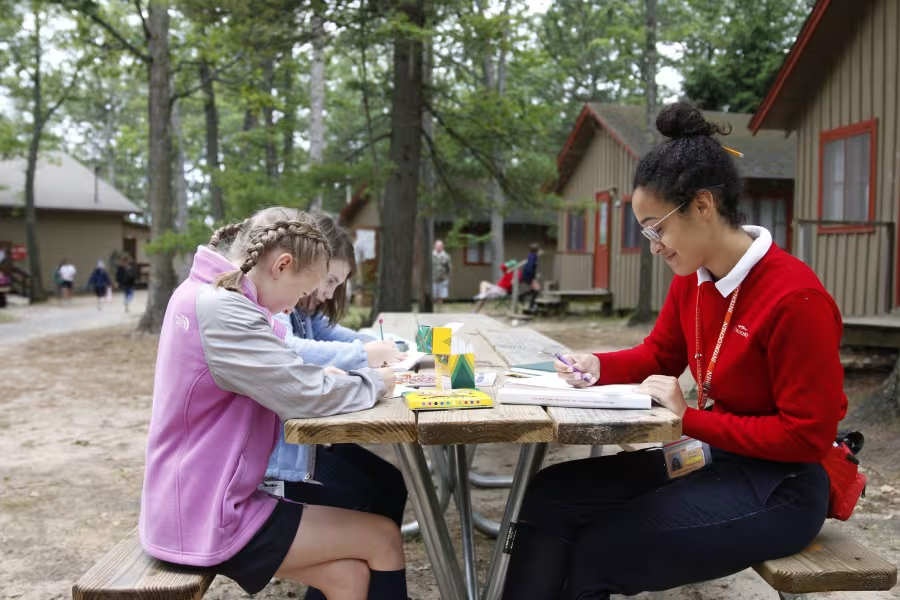
One of the most important steps in helping younger students adjust to camp life is ensuring they feel cared for and part of a supportive community. Arts Camp staff work each year to build intentional infrastructure for students to feel a part of a larger community while they’re at camp.
“I think one of the biggest things Interlochen does well is creating a sense of belonging,” Kuehne said. “Our cabin structure helps campers build connections right away, and our counselors work hard to make sure everyone feels included and has someone looking out for them.”
In addition to camp counselor support, faculty and staff in all departments are trained to assist students in need, whether that’s helping a student find their class or offering a hand with move-in.
For Colatosti, this type of work is how staff make the biggest impact on the Interlochen experience.
“Our campers quickly discover that they are part of a community of people who share their passions, celebrate their individuality, and encourage them to try new things,” Colatosti said.
Camp staff also understand that what might help one student feel like they belong doesn’t always work for everyone.
“Some students jump right into camp life, while others need a little more encouragement and reassurance,” Kuehne said. “I think our staff do a great job of meeting campers where they are and helping them feel comfortable, make friends, and find their place at camp.”
Conclusion
The safety and wellbeing of students is Interlochen’s top priority, and a huge part of that effort is making sure each student feels supported by Arts Camp staff. From intentional hiring practices, to staff training and community care, Interlochen seeks to create a positive camp experience that inspires each and every student to be their best self.
“We want every camper, whether it's their first summer or their tenth, to feel that they belong here,” said Colatosti.
To learn more about how Interlochen seeks to nurture a safe and supportive community, visit our student safety page here.